TikTok has looong surpassed its role as a place where trends are born.
With over a billion active users and an algorithm that lives to surface fresh, creative content, TikTok gives businesses something most platforms can’t: the chance to show up in front of a huge, highly engaged audience… organically.
Add paid ads into the mix, and that reach becomes even bigger. From global beauty brands launching their next hero product to scrappy DTC startups looking to drive sales, TikTok ads get people talking, creating, and buying without really leaving the app.
Here’s a guide to the different TikTok ad formats, including what situations they’re best for and how brands are already using them.
12 Types Of TikTok Ads
There’s no “one-size-fits-all” formula for TikTok ads. Each format has its own strengths, the trick is knowing which one lines up best with your goals. Here’s a rundown of the top ad formats and how to use them.
1. In-Feed Ads
In-Feed Ads are kind of the “gateway” ad format on TikTok.
They’re short videos that pop up directly in the “For You” feed, sandwiched neatly between the content people are already watching. And because they’re designed to blend in with organic TikToks, they feel less like an ad, which makes them a brilliant starting point and want to test the waters with content that feels native.
Why they work:
- They blend in with the feed, so people don’t instantly clock them as ads.
- They’re built for interaction, such as likes, comments, shares, and follows.
- They’re super flexible in length (up to 10 minutes), though the sweet spot tends to be 9-15 seconds.
What to watch out for:
- Competition is fierce because you’re fighting for attention in a busy feed.
- If the creative doesn’t grab people immediately, they’ll scroll straight past.
💡 Brand spotlight: as part of its Break Free campaign, Maybelline New York ran a series of In-Feed Ads where creators demoed their makeup routine using the spotlighted products. The entire campaign generated 22 million video views.
2. TopView Ads
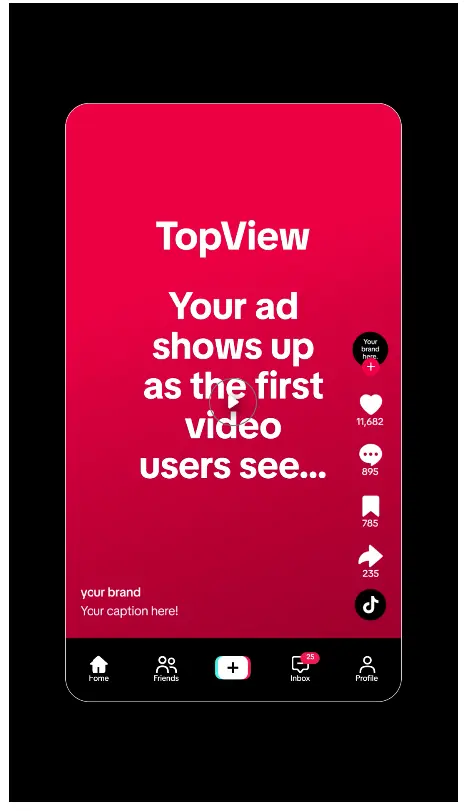
TopView Ads show up at the very top of the “For You” page when users open TikTok. The second someone opens the app, your ad is right there playing full-screen with the sound on. If you’ve got a big product launch or just want to make a splash, this is the format that will get you eyeballs… but it comes at a price. That first-view spot isn’t cheap, so expect to pay a pretty penny for the privilege.
Why they work:
- You can’t beat the visibility (it’s literally the first ad people see).
- You can add fun interactive features, like Gestures or Story Selection.
- They come with strong targeting and clickable CTAs.
What to watch out for:
- They’re one of the priciest TikTok ad formats because of the prime placement.
- You’ve got to make that first second count (people will just scroll past if your hook isn’t good enough).
💡Maybelline New York’s Break Free campaign also made use of TopView ads. In fact, the TopView ad itself generated a 5% higher click-through rate than average and a 2% increase in engagement rate.
3. Brand Takeover Ads
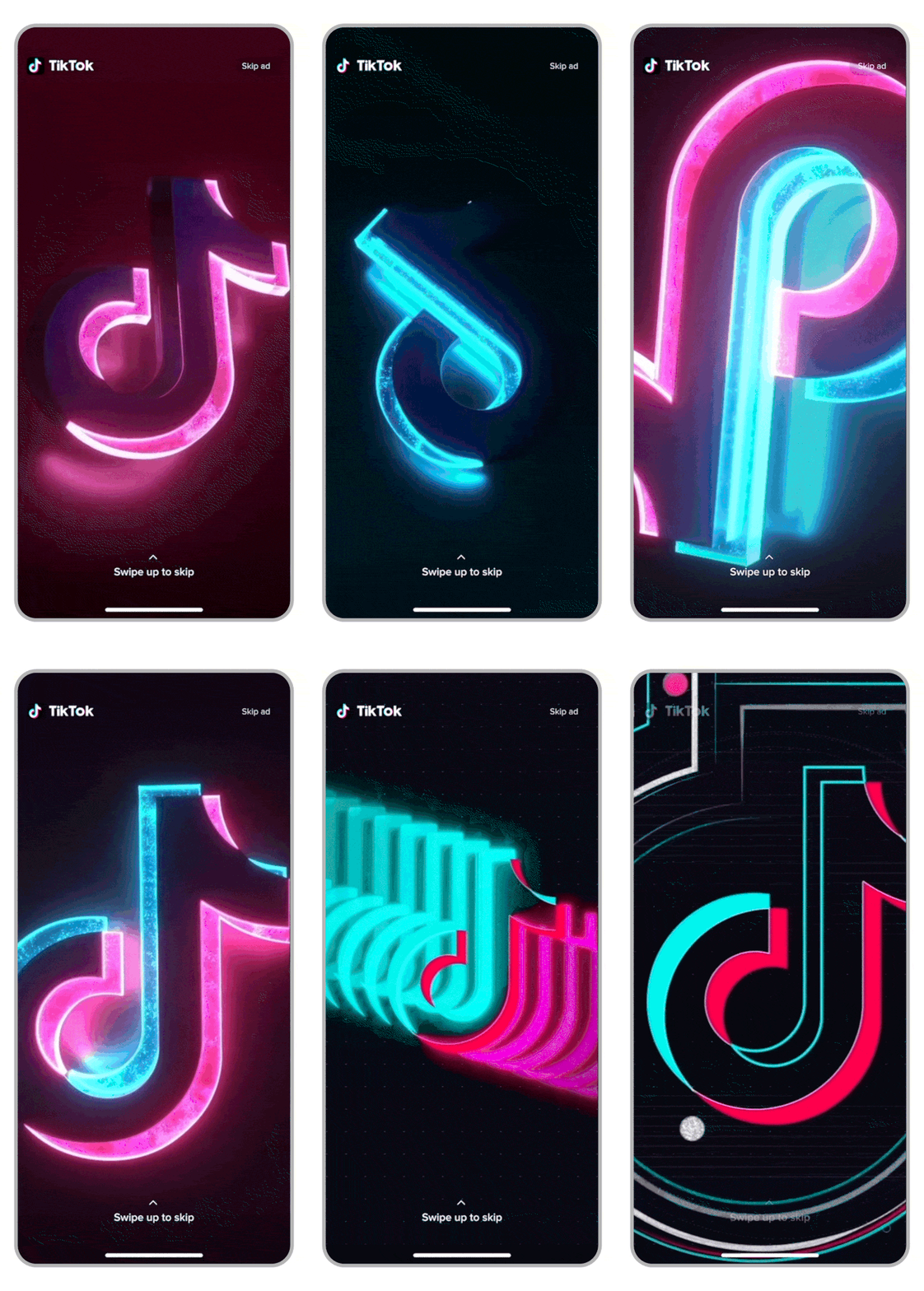
Brand Takeover Ads are similar to TopView ads in that they display straight away when users open TikTok, taking over the full screen with either a static image, GIF, or short 3-5 second video. They’re perfect for big brands with big budgets and product launches or events that need a lot of attention quickly.
NB: Only one advertiser per category can run a brand takeover ad campaign per day.
Why they work:
- Instant visibility (your ad is the first thing people see).
- You can drive people straight to a landing page, hashtag challenge or event.
- Huge reach in a tiny window of time.
What to watch out for:
- They don’t come cheap (only one brand per day can own that slot)
- It’s a one-hit wonder format (after that first impression, there’s not a lot of room for interaction).
💡 Brand spotlight: Too Faced wanted to quickly grab the attention of beauty-loving Gen Z in the UK. So they rolled out a Brand Takeover ad showing the “Lip Injection Extreme” gloss the moment users opened TikTok. It was a flashy, five‑second full-screen video bursting with bright colors, disco-style holograms, and a clever split-screen that showed lips before and after… and it worked.
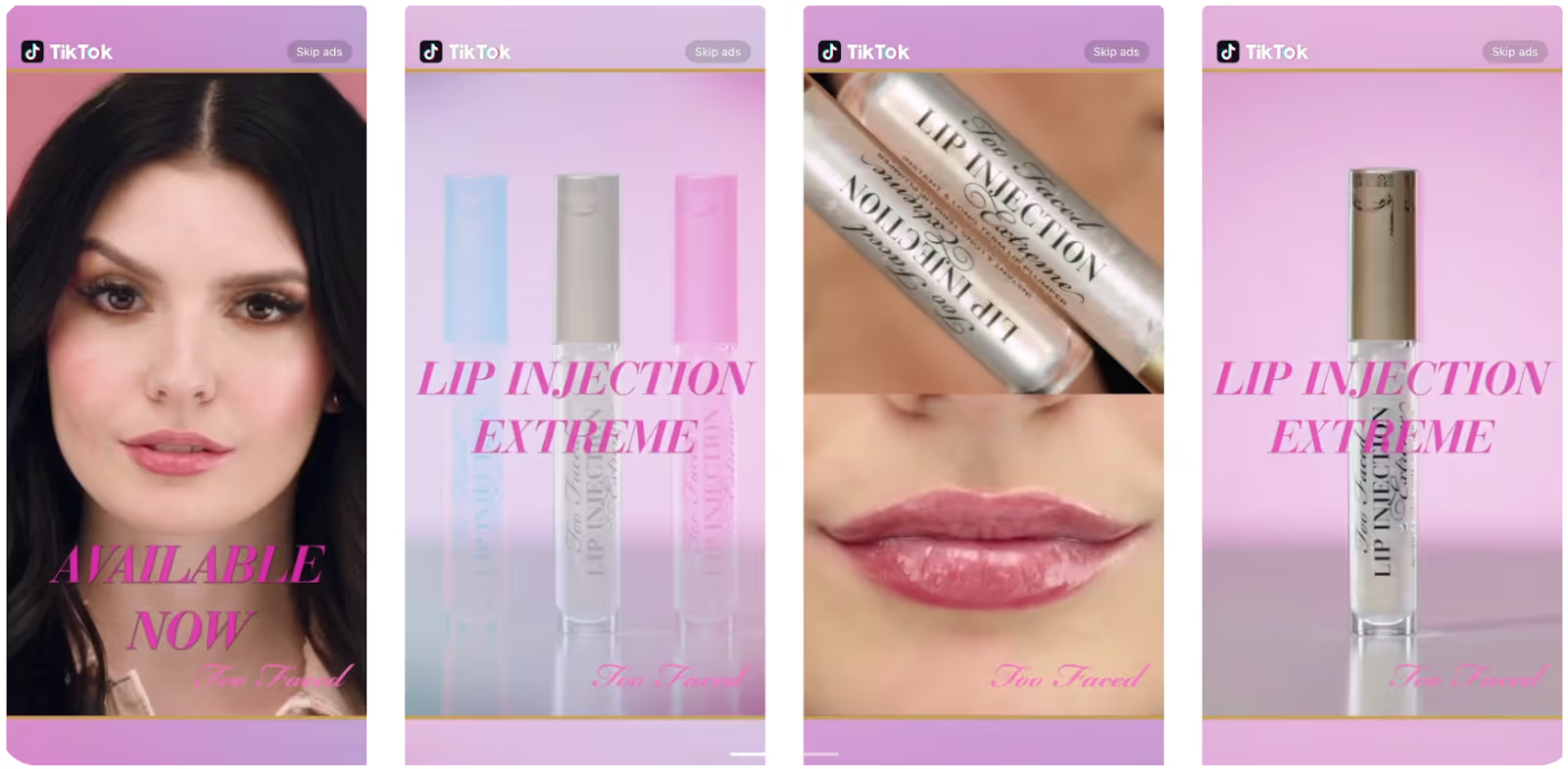
The campaign got 7.6 million impressions in just one day (with 2.54 million unique viewers), spurred 1.3 million clicks to the product page, and racked up an 18.38% click-through rate (well above UK norms).
4. Playable ads
Playable Ads are interactive, demo-style ads that let users “try” an app or game within TikTok before downloading. Users get a hands-on taste of your mobile game or app (by tapping, swiping, even playing a mini-level) all without leaving the app. Ideal if you’re promoting a mobile game or apps that benefit from “try before you buy” experiences.
Why they work:
- It’s super engaging because people can actually play rather than just watch.
- You get higher-quality installs because people know exactly what they’re signing up for.
What to watch out for:
- This format is mainly for apps (mostly games).
- Building it means extra work, because you’ll need a playable, coded demo or interactive asset.
💡 Brand spotlight: Dream Games’ Royal Match is the perfect example of a brand that absolutely crushes Playable ads. Users can solve a mini match-3 puzzle right in the ad.
5. Branded Mission Ads
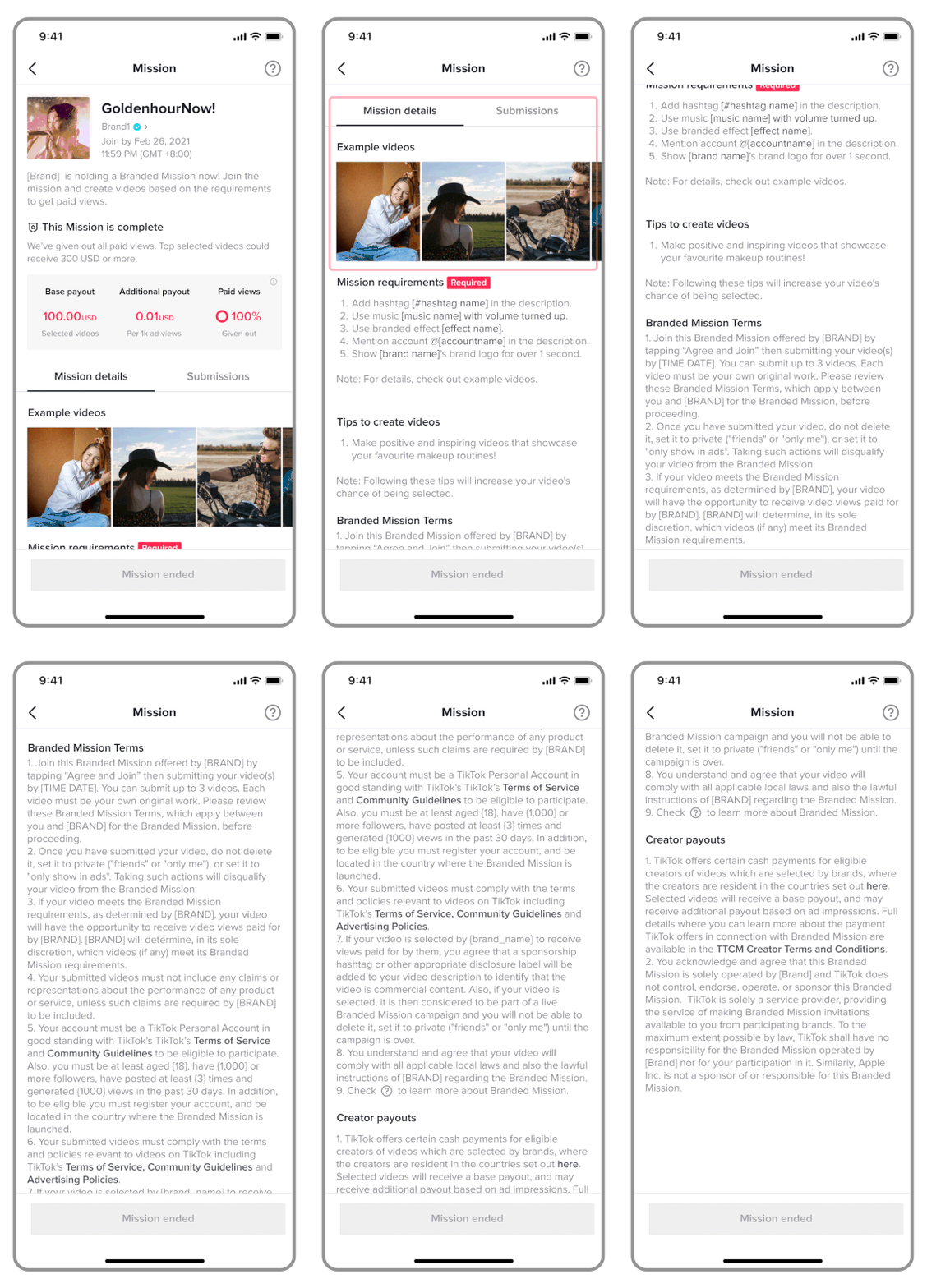
Branded Mission invites creators to submit videos for your campaign, and you pick the strongest ones to boost as paid ads.
It's often paired with a hashtag challenge or a branded effect like a filter, sticker, or augmented reality (AR) feature to widen participation, but the format itself is about submission and selection, not just open participation.
Why they work:
- You’re not just creating one piece of content, you’re creating hundreds (or thousands!) of UGC posts at once.
- It’s fun, interactive, and easy for users to join in.
- When it takes off, it can really take off (TikTok’s algorithm loves pushing this kind of content out).
What to watch out for:
- You can’t control every single piece of UGC, so not all of it will hit your brand message perfectly.
- These ad campaigns need some creative fuel and planning to really work.
💡 Brand spotlight: Pringles invited TikTokers in Germany, Italy, and France to join their #PlayWithPringles Branded Hashtag Challenge. The brief was just to get creative with a Pringles can. Fans brought on the creativity in droves (some transformed outfits inside the can, others passed it via duets) leading to more than 1 billion views, 343,000 user videos, and a dreamy 13% average engagement rate.
6. Spark Ads
Spark Ads are an easy way to give your existing organic TikTok videos a bit of a boost. You can do it from your own account or, if you’ve partnered up with a content creator, from their account. These are great if you’re running a TikTok influencer campaign and have a few top-performing pieces of content that you can then amplify.
Why they work:
- They feel real because they start life as organic TikToks.
- They deliver serious results (Spark Ads see 142% higher engagement and 43% higher conversions than standard In-Feed Ads).
- They grow your brand’s TikTok presence at the same time as boosting sales.
What to watch out for:
- You’ll need permission from the creator if you’re using their content.
- Because you’re working with existing posts, you won’t have total creative control like you would making ads from scratch.
💡 Brand spotlight: Fashion accessories brand Caseharden doubled down on Spark Ads to share their style-forward bag designs. This generated over 1 million video views, 5,000 new followers, and a jaw-dropping 100% lift in both product sales and average basket size once they paired this ad strategy with a TikTok Shop integration
7. Carousel Ads
Carousel Ads let you display multiple images (up to 35) or products in a single ad, usually in a swipeable format. They can appear in-feed or as part of TikTok’s Shoppable Ads. They’re particularly good if you’ve got multiple products you want to spotlight or if you’re using TikTok as a retail channel.
Why they work:
- They’re brilliant for storytelling or walking people through a product range.
- They’re super flexible (you can drive clicks to your site or send people straight to purchase).
What to watch out for:
- Every slide needs strong visuals and copy, so it’s a bit of extra work.
- Because TikTok is so video-first, carousels don’t always perform as well unless they’re perfectly executed.
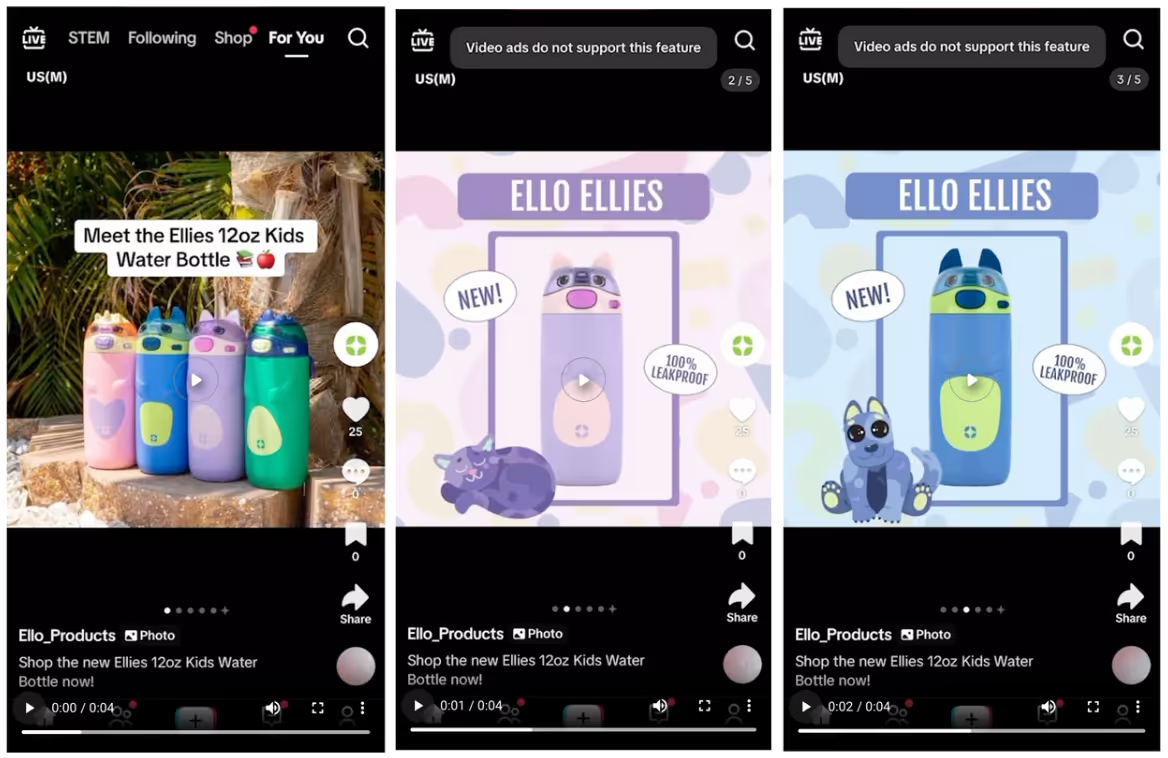
💡 Brand spotlight: Ello, the brand behind stylish reusable drinkware, decided to repurpose its Instagram image assets into TikTok Carousel Ads during the holidays, and saw a stunning 6x boost in click-through rate.
8. Catalog Ads
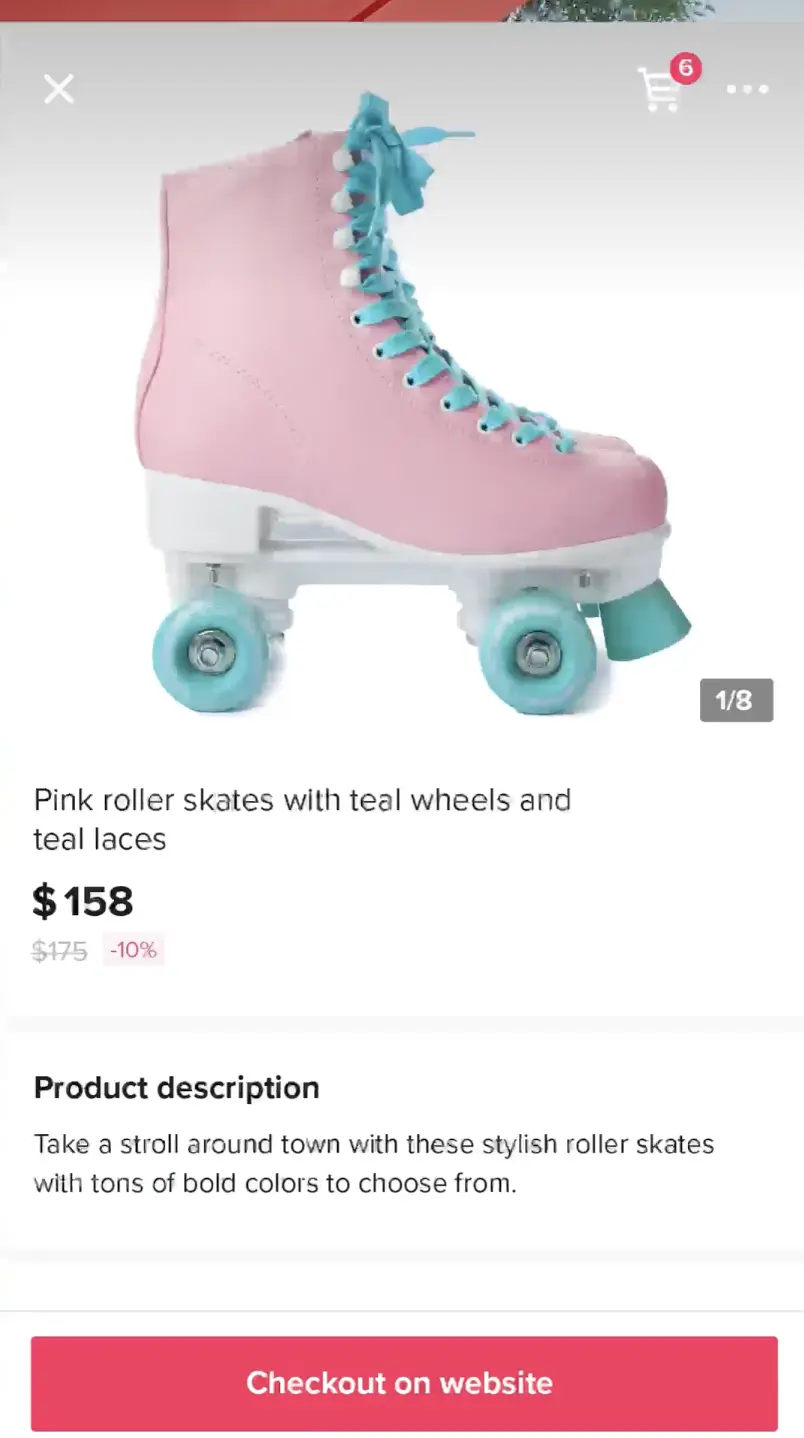
Catalog Ads is TikTok's current name for what used to be Collection Ads and Dynamic Showcase Ads (both retired now). It pulls straight from your product catalog to build ads automatically, filling in images, prices, and details from your feed and matching products to the people most likely to buy.
They're built for ecommerce brands running a real product range, especially ones already using TikTok Shop.
Why they work:
- They update automatically, so pricing, availability, and product details stay accurate without you touching the ad.
- They can target people who've already shown interest, which makes them strong for retargeting.
- No need to build creative from scratch for every product, TikTok assembles the ad from your catalog.
What to watch out for:
- You'll need a properly synced product catalog before you can run these, which takes some setup work upfront.
- They lean heavily on your product data being clean. Bad titles or blurry images in your feed become bad ads.
💡 Brand spotlight: Ray-Ban used TikTok's Smart+ Catalog Ads to scale sales in the US market while improving efficiency, according to TikTok's own commerce case studies.
9. Logo Takeover
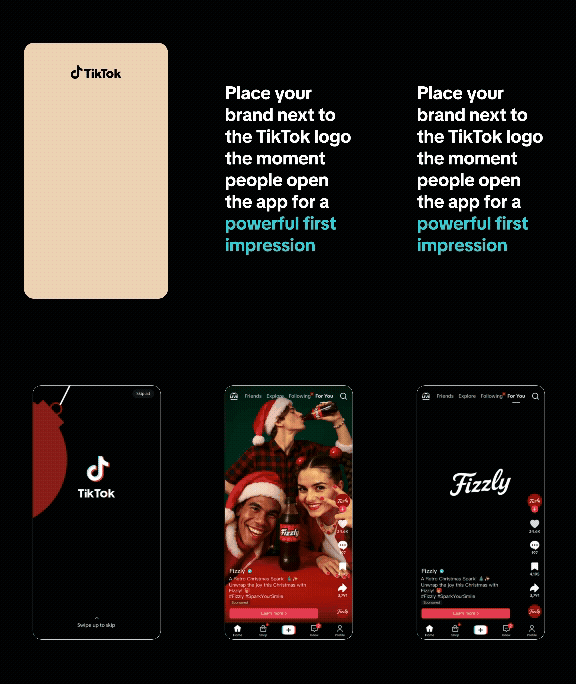
Logo Takeover is a co-branded app-open moment where your logo runs alongside TikTok's own for a shared first impression. It's newer than Brand Takeover and TopView, and it leans into partnership rather than just visibility.
Why they work:
- Sharing the screen with TikTok's own branding adds a layer of credibility.
- It's still the very first thing people see when they open the app.
What to watch out for:
- It's a premium, co-branded placement, so expect it to come with reservation-level cost and setup.
💡 Brand spotlight: Warner Bros used Logo Takeover to build buzz ahead of a film release and saw double-digit lifts in brand awareness and intent.
10. Prime Time
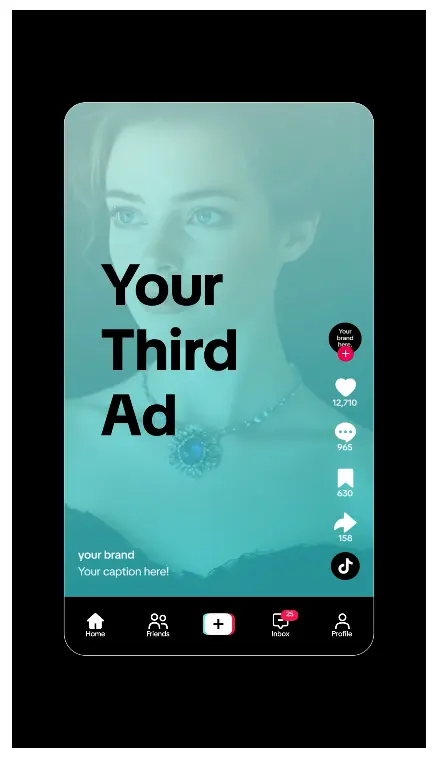
Prime Time delivers up to three sequential ads from your brand to the same person within a 15-minute window. Instead of one shot, you get to tell a story in stages.
Why they work:
- It's built for live events or big cultural moments when attention is already high.
- Sequential storytelling means your message can build instead of resetting each time.
What to watch out for:
- It only makes sense around a specific high-engagement window, not as an always-on format.
11. TopReach
TopReach bundles TopView and Top Feed into a single buy, so you get both high-visibility placements in one purchase instead of buying them separately.
Why they work:
- It maximizes one-day reach across two premium spots at once.
- Less buying complexity than managing TopView and Top Feed as separate line items.
What to watch out for:
- It's a reach play built for big moments, not an everyday performance format.
12. Pulse Mentions and Pulse Tastemakers
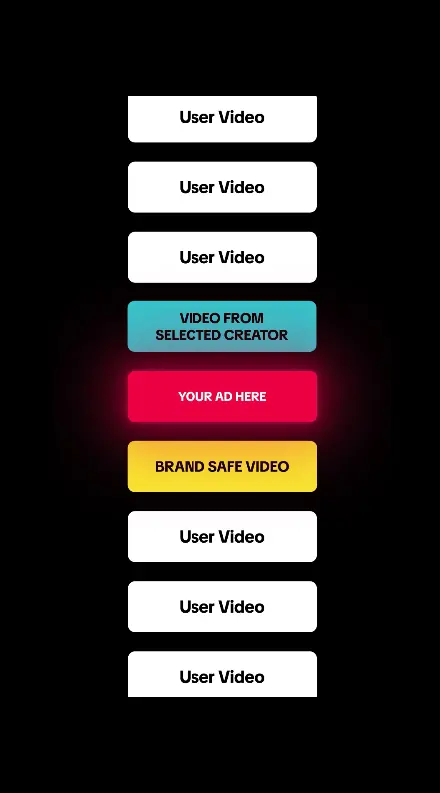
Both are extensions of TikTok Pulse. Pulse Mentions puts your ad next to conversations already happening about your brand or category. Pulse Tastemakers lets you align your ad with a specific set of creators you choose.
Why they work:
- Pulse Mentions puts you where people are already talking about you, which is a warmer moment than cold placement.
- Pulse Tastemakers gives you more control over which creators your brand shows up next to.
What to watch out for:
- Both depend on TikTok's existing Pulse inventory being available in your category or market.
Choosing the Right TikTok Ad for Your Goals
So you know the different TikTok ad types, but how do you actually pick the right one? The truth is, not every format works for every campaign. The secret is to match your goals (awareness, engagement, conversions) with the format that’s designed to deliver them.
Let’s break it down.
Formats for Driving Awareness
If your main goal is to make sure as many people as possible know you exist, you’ll want formats with big reach and impact.
- TopView Ads are the showstoppers. They’re the very first thing people see when they open the app, which is great for product launches or big seasonal campaigns when you want guaranteed attention.
- Brand Takeover Ads are even punchier. They cover the whole screen the second someone opens TikTok. They’re pricey, yes, but if you’re going for maximum visibility in a short time, nothing beats it.
- Branded Hashtag Challenges also fall into this bucket. They can trigger viral participation and can put your brand in front of millions.
- Logo Takeover works the same opening-moment magic as Brand Takeover, but co-brands your logo with TikTok's own for extra credibility.
Formats for Boosting Engagement
Awareness is obviously very nice, but there’s something to be said about TikTok’s two-way creativity. If you want people to see your brand and interact with it, you’ll want to use formats that encourage clicks, comments, or even co-creation.
- In-Feed Ads are the bread and butter here. They blend into the feed like any other TikTok, which makes them super approachable for likes, comments, and shares.
- Spark Ads take it up a notch by boosting content that’s already resonating (either from your own account or from creators). They keep that authentic, “native” feel while turbo-charging reach and engagement.
- Branded Effects (filters, stickers, AR elements) are another fun way to encourage people to play with your brand and put their own spin on it.
- Pulse Mentions puts your ad right next to conversations people are already having about your brand.
Formats for Maximizing Conversions
If you want cold, hard ROI from your ads, you’ll want to use formats that are geared up for sales and sign-ups.
- In-Feed Ads (yes, again!) shine here when paired with strong CTAs. You can drive traffic straight to your site, app, or product page.
- Spark Ads also convert really well because they piggyback off UGC, and people trust what looks and feels organic.
- Playable Ads are great for gaming apps, letting users try before they buy (or download).
- Carousel Ads are perfect for ecommerce brands who want to showcase a whole range of products and make it easy for people to shop directly.
- Catalog Ads go one step further by pulling straight from your product feed to build and update ads automatically.
How to Let TikTok Ads Do the Heavy Lifting for Your Brand
The beauty of TikTok ads is that they’re so dynamic.
You’ve got formats that stop people in their tracks, others that spark genuine two-way engagement, and some that drive straight-up sales. The real trick is knowing when to pull which lever. A TopView might be perfect for a headline-grabbing launch, while Spark Ads or In-Feed placements keep the conversation flowing day to day. And for brands leaning into ecommerce, Carousel or Playable Ads can do the heavy lifting when it comes to conversions.
At the end of the day, TikTok is a multi-functional space where brands can show up as creators and ultimately invite their community to join in. Pick the formats that align with your goals, bring your most creative ideas to the table, and you’ll be surprised at just how far TikTok can take your brand.
Want a shortcut? Insense makes it ridiculously easy to find the right creators, collect authentic UGC, and turn it into high-performing TikTok ads. Try it for free.