Influencers aren’t just “people on the internet posting selfies” anymore.
They’re trusted reviewers, on-camera educators, community builders, entertainment hubs, and modern-day word-of-mouth engines, and they shape what we buy, where we go, and which brands earn our attention.
If you’re launching a brand for the first time, building a UGC engine for paid ads, or scaling organic social reach (or something else entirely), understanding which types of influencers exist (and why they matter) is the first step in smarter partnerships.
… because spoiler alert: follower count is only one tiny piece of the puzzle.
Creators can be grouped by their audience size, niche or industry, the type of content they produce, their level of authority, and even the role they play in your marketing funnel.
The better you understand each creator type, the easier it becomes to find partners who fit your goals, budget, and brand vibe.
Let’s break down the main types of influencers and when to work with each one 👇
Type of Influencers by Follower Count
Influencers come in all shapes and sizes and we did say follower count is a small piece of the puzzle, BUT it’s often the easiest and most visible way to categorize creators.
There are 4 common groups based on follower count:
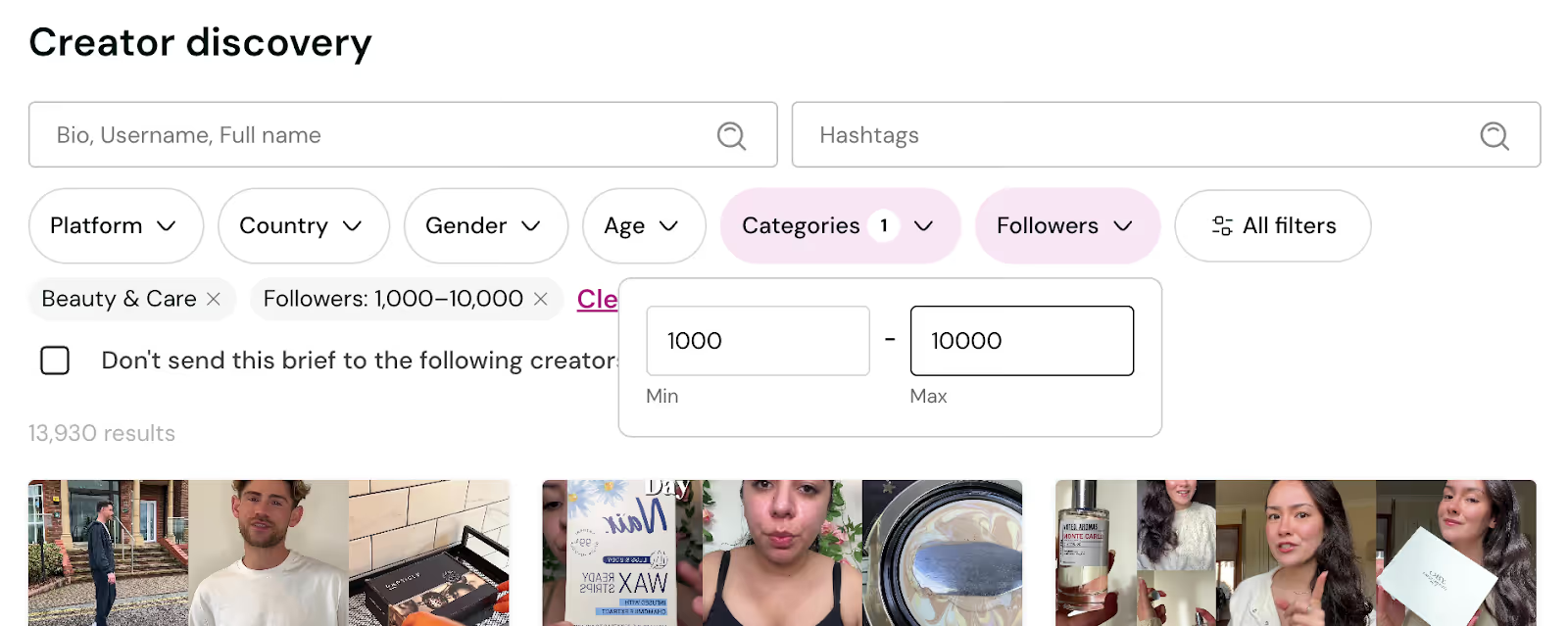
- Nano influencers (1k-10k followers). These are your everyday creators who’ve built small (but mighty!) communities. Their numbers may not be huge, but their followers tend to be very loyal and listen to what they say.
- Micro influencers (10k-100k followers). Micro influencers are often experts in a particular niche, like fitness coaches, stylists, or productivity geeks. They have solid engagement, create high-quality content, and are usually much easier on the wallet than bigger names.
- Macro influencers (100k-1M followers). These are established creators who’ve probably turned content creation into their full-time gig. Usually, they have fingers in a few different pies, like podcasts, events, and YouTube, as well as social media. Their audiences are big and varied, but engagement tends to dip as the numbers rise.
- Mega influencers (1M+ followers). The Kim Kardashian’s of the world. These are household names, celebs, industry leaders, and viral creators who’ve hit the big time. They can reach millions with a single post, but that kind of exposure can come at a hefty price for the brands that want to work with them.
Insense’s creator marketplace lets you search for influencers with a specific follower count.
Influencers by Niche or Industry
“Jack of all trades, master of none…”, or so the saying goes.
Which is why, once they’ve got solid foundations in place, most influencers tend to talk about one or two things. This helps them find the right people and makes it easier for brands to decide whether to work with them (if you sell donuts, you might not vibe with the audience of a fitness influencer as much as you would a food influencer, for example).
Here are some common influencer types based on niche.
Beauty influencers share makeup tutorials, product reviews, and skincare routines. They’re trusted for their honest opinions and ability to make products feel real (not overly polished).
Fashion influencers showcase personal style, outfit inspiration, and trend breakdowns. They often work with clothing brands or promote capsule collections and seasonal edits.
Fitness influencers focus on workouts, healthy habits, and motivation. Their audience looks to them for consistency, mindset tips, and that push to hit the gym.
Food influencers get us salivating by sharing recipes, reviews, and cooking hacks, from Michelin-level dishes to everyday eats. They often influence restaurant trends and viral recipes.
Gaming influencers stream live gameplay, review new releases, and build loyal fanbases that hang out with them daily. They’re huge in community-driven spaces like Twitch and YouTube.
Travel influencers do a great job at making us all jealous. They explore destinations, review hotels and experiences, and often partner with tourism boards or travel brands.
Finance influencers (or “finfluencers”, as they’re nicknamed) focus on budgeting, investing, and money mindset. They make tricky money topics easy to digest and help regular folk feel more confident about cash.
Tech influencers cover the latest gadgets, software, and digital tools. They’re go-tos for launch reviews, comparisons, and explaining complicated features in plain English.
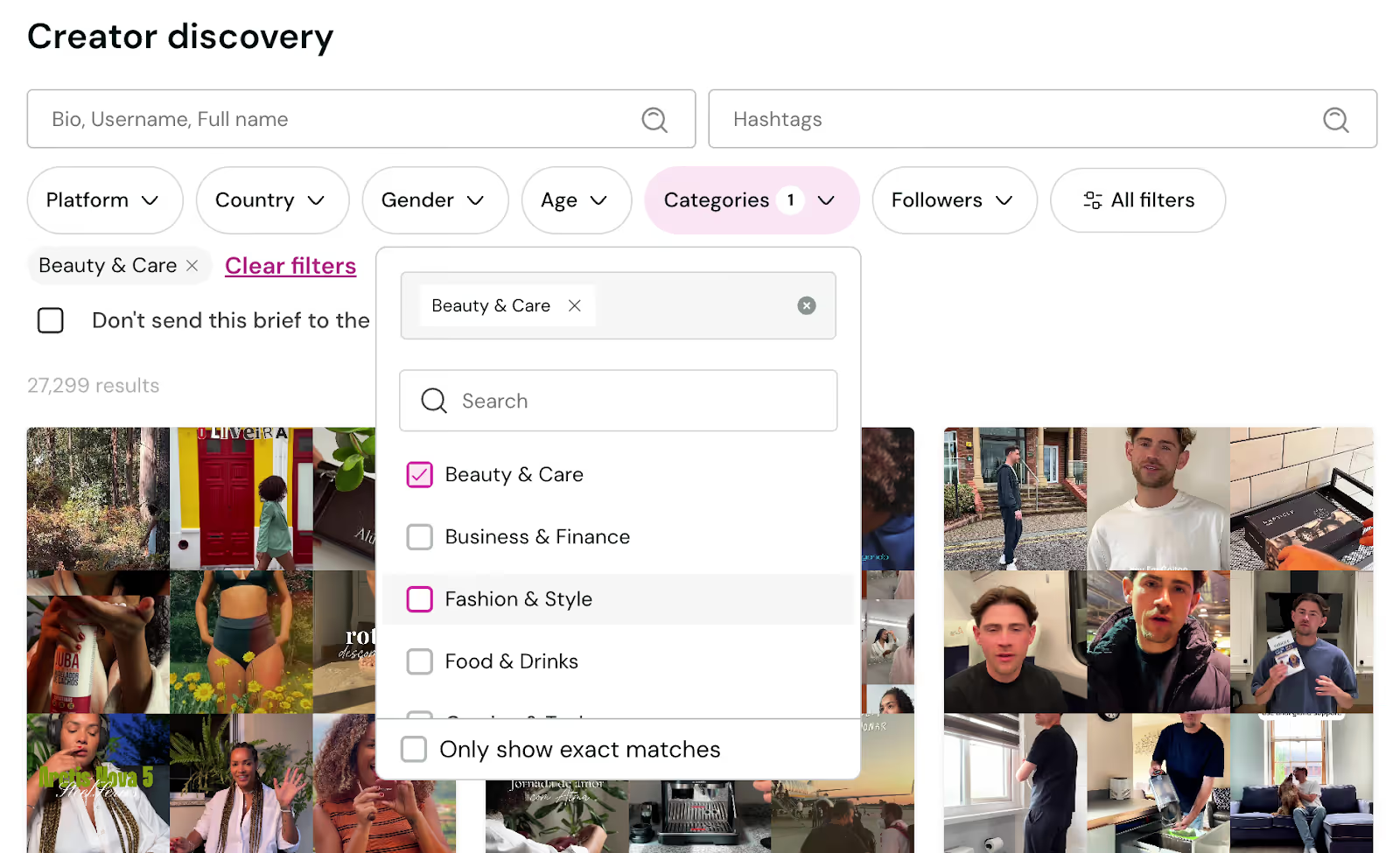
Tip: Insense lets you browse creators by category.
Type of Social Media Influencers by Content Format
Influencers can fall into different niches, but they can also vary depending on the type of content they create. Some prefer to talk to the camera, others prefer to use the medium of the written word, and some prefer to stick behind-the-scenes.
Bloggers and vloggers
Bloggers are the OGs of influencer marketing. They’ve been around long before social media burst into our lives, and continue to share useful information for their readers.
They tend to favor long-form content – think things like recipes, style guides, or travel itineraries. It’s the same with vloggers, who took the traditional blog and turned it into a video format. You’ll see a lot of YouTube influencers with thousands (or millions of followers) that share their daily lives or film tutorials for makeup, games, tech, and food.
Both blogs and vlogs are great for evergreen content (a.k.a. content that keeps on giving) and will keep driving traffic and conversions long after they’re published.
Podcasters
Podcasts are huge right now (more than 336,000 shows have been published in the last 30 days), and podcasters have tapped into the sheer number of people who love to listen on the go. Their audiences will often spend 30-60 minutes at a time listening to them which, because they’re actually hearing the real voices of their fave influencers, is absolute gold for building trust.
Short-form video creators
Short-form video creators use the quick and dirty medium of video to share their stories. Think TikTok, Reels, or YouTube Shorts. These creators tend to produce fast, funny, and creative skits, but the most important thing is they know how to hook attention in seconds.
Livestreamers
Livestreamers are the most interactive influencers of the bunch.
They might go live to play a game, share a real-time beauty routine, or host a shopping event. The best part is, their audience gets to engage with them as they work, and that two-way connection makes it all feel very spontaneous and real.
At the end of the day, it’s not just what influencers say, but how they say it.
Influencers by Authority and Expertise
While a lot of influencers are famous for their lifestyle or looks, some are known for what they… know. This particular breed of influencer leads with their expertise and experience, often shaping opinions and trends in their industry.
Key opinion leaders (KOLs)
KOLs are trusted authorities in their fields (think doctors, researchers etc). Their influence comes from deep expertise rather than follower count and brands tend to partner with them when they need credibility or to reach niche audiences that favor facts and data.
Thought leaders
Thought leaders are often entrepreneurs, consultants, or creators who share ideas, insights, and predictions from within their realms of expertise.
Often, thought leaders will actually set trends rather than just follow them, because they’re at the forefront of their industries. Brands will usually partner with thought leaders for storytelling, unique perspectives, and to position themselves in a particular way.
Subject matter experts (SMEs)
SMEs are the go-tos for highly specific topics (it could be something as niche as organic skincare ingredients or SEO). They might not have massive audiences, but the people who do follow them are there to learn.
Brands will work with SMEs to help break down complex topics, give campaigns a hearty dose of authority, or create educational or technical content that is accurate and useful.
How to Choose the Right Influencer Type
You could have the best campaign idea in the world, but if you choose the wrong creators to get involved, it could all fall very, very flat.
Instead, you want to pick people who can help you achieve what you want. The problem is, different creator types have different superpowers. So, before you dive headfirst into outreach, consider these things.
Start with your campaign goal, then map the creator tier
As a general rule of thumb:
- Nano creators are the most budget-friendly and highly trusted. They’re great for product seeding or gifting and creating a community buzz.
- Micro creators bring a good balance of authenticity and reach. They’re usually pretty strong at storytelling and conversions.
- Macro creators have a big reach and are good for big splash moments, launches, PR waves, and high visibility campaigns.
- UGC creators are amazing for paid ads and scalable content production rather than organic reach.
So, if your priority is strong ROI and to test conversions, start with nano or micro creators or dedicated UGC creators. If you’re launching in a new category and need eyeballs quickly, bring in macro creators (but be ready to invest).
Tip: With Insense, you can filter for each of these groups and stack your roster based on budget and creative goals, which stops you having to scroll Instagram for hours trying to find a good mix of creators.
Think beyond follower count
Follower numbers obviously look nice, but they don’t always map directly to performance. A smaller creator with a niche audience and killer on-camera presence can easily outperform a six-figure account.
Here’s what to look for instead:
- Consistent engagement (particularly comments over likes)
- Audience quality (are their followers real people in the right place with the right interests?)
- Natural on-camera presence and storytelling style if that’s what you’re after
- Past brand partnerships (successful ones!) and good quality content as part of those partnerships
- Ability to grab attention and sound like a real person
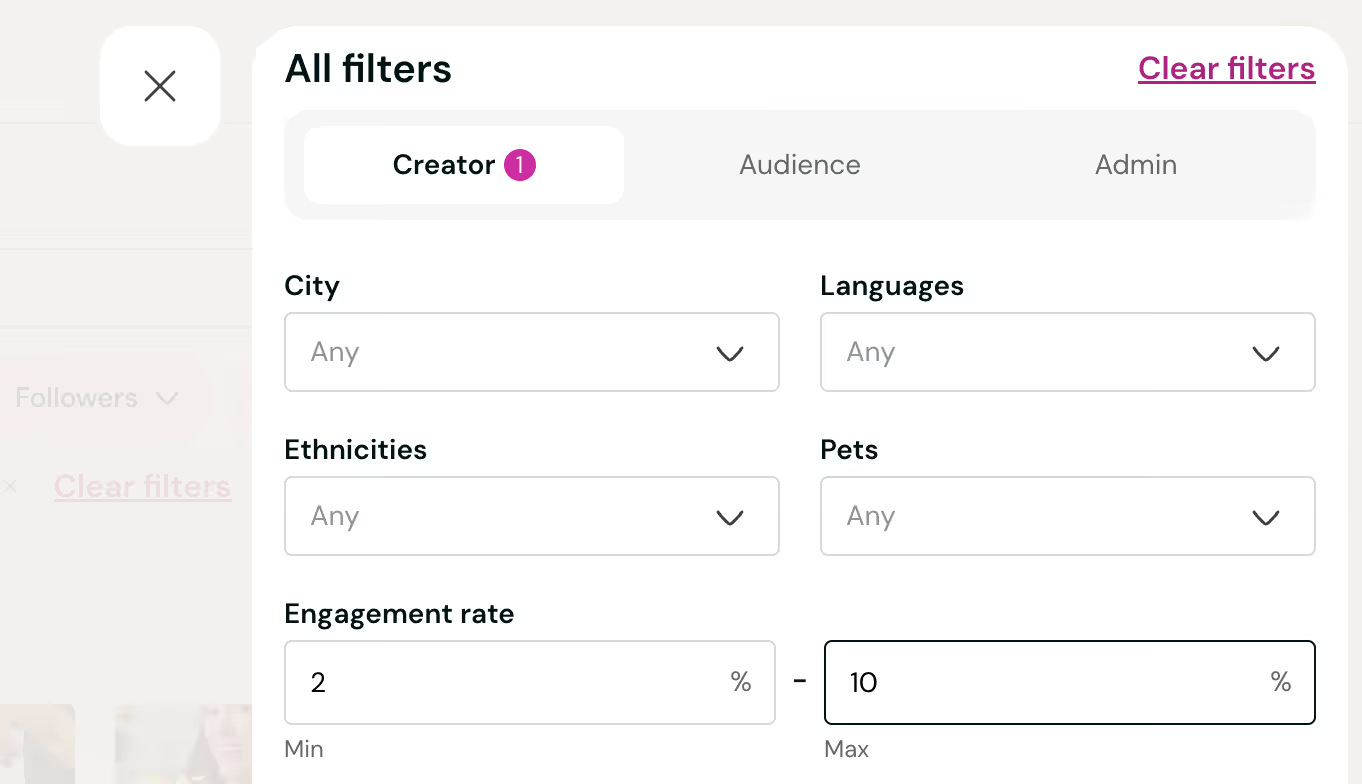
Tip: Insense shows you engagement insights so you can choose based on their performance rather than surface-level vanity metrics.
Make sure the creator’s content matches your brand vibe
The “right” creator doesn’t just talk about fitness or beauty or whatever you need them to talk about. They also produce content in the format and tone your audience loves.
For example, if your audience loves a day-in-the life vid or a morning routine, this creator should be able to do this kind of content in their sleep.
Ask yourself:
- Do they shoot polished, aspirational footage? Or scrappy TikTok-first clips?
- Are they funny? Motivational? Educational? Aesthetic?
- Do they predominantly do testimonial, lifestyle, POV, ASMR, GRWM, creator-hosted review style?
- Does their personal brand align with your brand energy, values, and mission?
Decide between one-off collabs vs. building a creator bench
One-off posts can work well for testing, gifting, or quickly plugging content gaps, but the money’s really in building long-term relationships with creators.
If you’re planning an ongoing campaign or a series of campaigns and want to work closely with the same creators every month, consider:
- Adding creators as affiliates so they have an incentive to drive their audience to your products or services
- Turning regular partners into full-on ambassadors who can help you build real brand credibility with their audiences
- Re-hiring UGC creators so your ads have the same consistent creative quality
Tip: Insense lets you save your top performers in lists and rehire them in just a few clicks. This is great if you’re planning on building a creator bench instead of starting from scratch each month or for each fresh campaign.
Partner with Social Media Influencers Via Insense
Instead of juggling spreadsheets, chasing down creator metrics, managing contracts, and worrying about rights and payments, Insense gives you a unified workflow where you can browse vetted creators, set a brief, communicate in-platform, approve content, pay creators, and measure results all in one place.
Here’s what that looks like when choosing and working with influencers:
- Search the creator marketplace using filters to find creators that align with your brand (find creators in specific locations and niches and those who speak certain languages or use a particular platform).
- Explore creator engagement rates with detailed data about audience age, gender, interests, location, engagement etc.
- Post a campaign brief and let creators apply, or manually invite creators you’ve pre-selected.
- Negotiate deliverables, pricing, and timelines in Insense’s built-in chat feature.
- Automate contracts and payments so you don’t have to build everything from scratch.
- Manage shipping info and track activations within the platform if you’re sending products to creators.
- Build out a detailed brief that walks your chosen creators through campaign objectives, content format, messaging, do’s and don’ts etc.
- Review content, request revisions, and approve content all in one place.
- Track the performance of live campaigns or turn high-performing content into whitelisted ads or TikTok Spark Ads.
Tip: If you’d rather someone else did all this for you, Insense’s Managed Services team is on hand to help.
Ready to see how it works in action? Start exploring creators for free, or book a demo with the Insense team to get a personalized walkthrough and campaign recommendations.
Influencer Q&A
What is the difference between nano‑, micro‑, macro‑ and mega‑influencers?
Nano-influencers typically have 1K–10K followers, micro-influencers sit around 10K–100K, macro-influencers range from 100K–1M, and mega-influencers exceed 1M followers. As follower count increases, so does reach and cost, but smaller creators usually offer higher engagement and a more authentic feel.
Which influencer size is best for my campaign?
It depends on your goals. If you want authentic content and strong engagement (especially for niche products), nano and micro creators are ideal. For bigger brand awareness pushes or major launches, macro and mega creators offer scale, though often at a higher cost and lower engagement rate.
What are different types of social media influencers?
Beyond size, influencers can be grouped by how they collaborate: traditional influencers who post content on their own channels, UGC creators who make content for your brand to use in ads or organic campaigns, affiliate creators who promote with codes/links, and product-seeding partners who exchange content for gifted products.
How do you categorize different types of influencers?
You can categorize influencers by follower size, niche (e.g., beauty, fitness, tech), content style, platform (TikTok, Instagram, YouTube), and the type of partnership you want, like organic posts, UGC, affiliate partnerships, or whitelisted ads. The right category depends on your brand goals, creative needs, and budget.
.avif)

.avif)