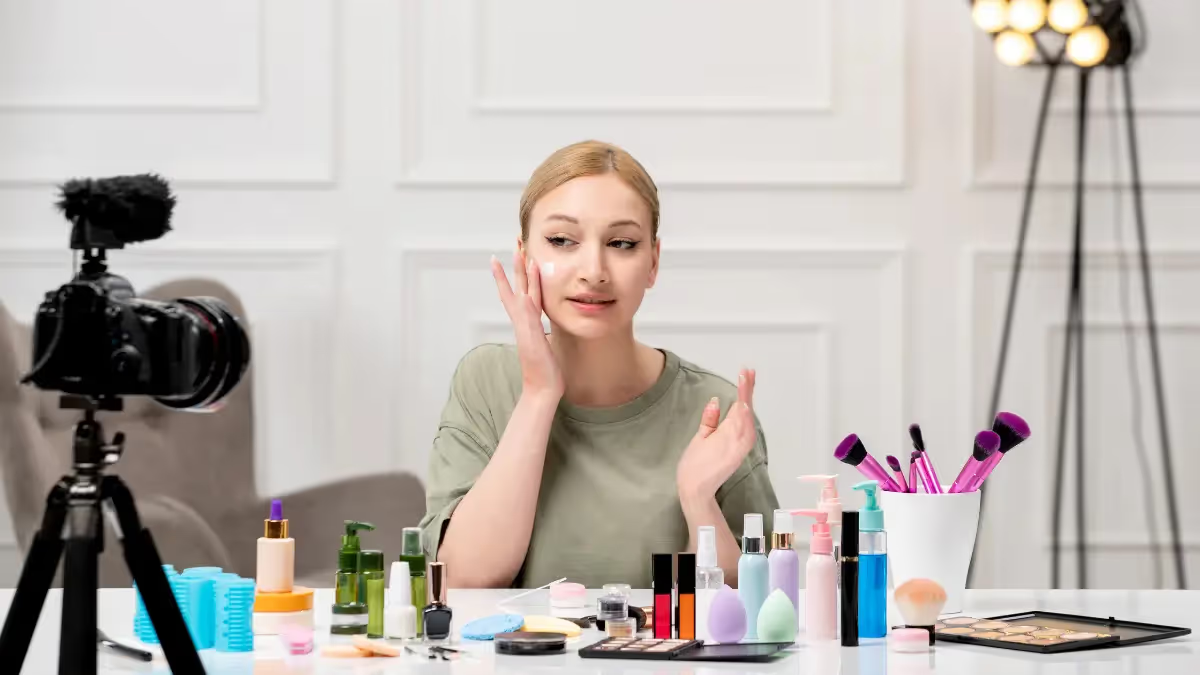
UGC beauty creators are content creators who make authentic, product-focused videos and photos for beauty brands to use in their own marketing rather than their own personal feed (though that can be a bonus).
Instead of acting like traditional influencers, UGC creators step into the role of the customer.
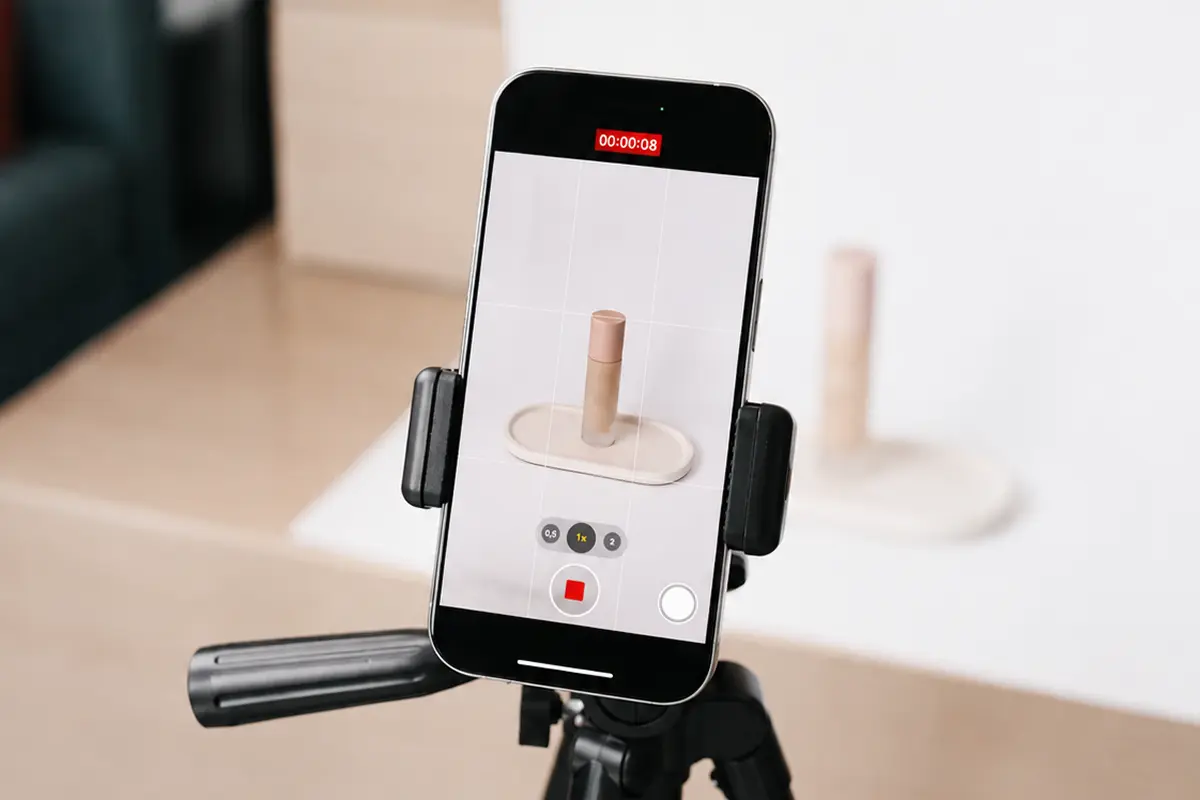
They film things like “get ready with me” routines, product demos, before-and-afters, tutorials, testimonials, and casual try-ons that feel natural, relatable, and believable. The kind of content that looks like it came from a real person… because it did.
In beauty specifically, UGC creators are gold. They know how to:
- Apply products on camera so results are clear
- Talk through textures, finishes, and wear-time in a natural way
- Create scroll-stopping visuals that work for TikTok, Instagram Reels, paid ads, and product pages
… and you get high-quality, human content that feels native to social platforms without relying on huge follower counts or celebrity partnerships.
Why UGC Works So Well for Beauty
User generated content works very well in beauty.
When you look at how people discover, evaluate, and buy products today, it’s a no-brainer why that is.
Real beats perfect
In beauty, overly polished content can actually work against you.
Shaky phone footage, imperfect lighting, or a slightly messy bathroom counter is actually way more relatable than highly-polished model shoots. It feels like advice from a friend rather than an ad trying to sell you something.
And it’s this kind of authenticity that quickly builds trust.
The proof is in the pudding: 84% of people trust brands more when they use UGC.
People shop while they scroll
Beauty is one of the most impulse-driven categories on social.
Someone who sees a concealer cover a breakout in real time is more likely to think they need it… and buy it then and there with the help of UGC.
Research shows that 85% of consumers rely on seeing UGC videos before they trust a product enough to buy it.
Brands like Fenty Beauty and NYX capitalize on this through beauty influencer marketing.
They flood TikTok and Reels with UGC-style videos that look native to the feed, making it ridiculously easy for discovery to turn into a purchase.
It’s scannable social proof
One glowing review is nice.
But hundreds (or thousands) of UGC videos showing the same moisturizer, foundation, or lip oil is very convincing. That’s hard to ignore.
Seeing different people, with different skin types and routines, all getting good results signals that the product actually works. UGC lets brands build this kind of proof at scale, without relying on a single big-name beauty influencer.
Diversity is expected
Beauty shoppers want to see themselves in the content they consume.
They want to see different skin tones, textures, ages, concerns, and styles. UGC naturally does this because it’s created by real people.
Brands like Fenty forced this shift, proving that inclusivity is no longer optional and is, in fact, a massive growth driver.
How to Build a UGC Beauty Squad
You don’t need to cast the “perfect” creator here (phew).
Instead, the goal is to assemble a group of real people who genuinely get and like your products.
Here’s how to do that.
Figure out your goals first
Before you DM a single creator, get specific about why you want UGC.
- Are you building pre-launch hype?
- Refreshing stale product pages?
- Feeding your retargeting ads?
- Creating TikTok Shop-style content that shows someone using your products?
Spoiler: The clearer the goal, the better the content.
E.g. “15 honest review videos in 3 weeks” is a much better and more specific goal than “we just want more UGC”.
When you know what you want, you can clearly brief creators so you get the kind of content you need.
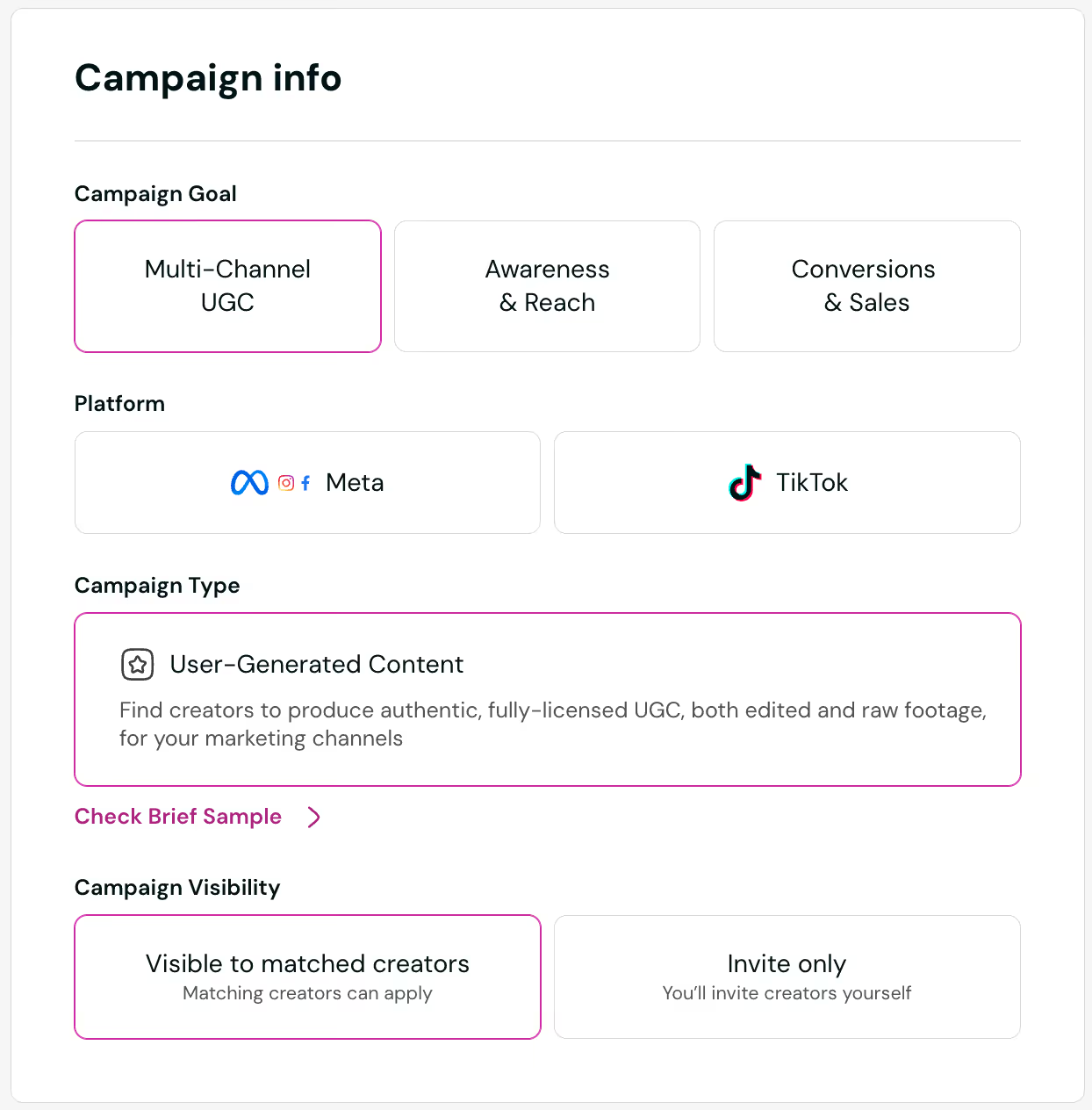
Psst… Insense’s creative brief builder helps you map out what you want from creators in a useful, structured form.
Find your beauty people
Prioritize nano- and micro-creators (under ~50k followers) and, honestly, your existing customers.
People who already love your products are often your best creators.
Look for:
- Everyday makeup creators who film GRWMs
- Skincare lovers who regularly test routines
- Makeup artists who can clearly show application and results
Follower count matters far less than comfort on camera and genuine interest in your category.
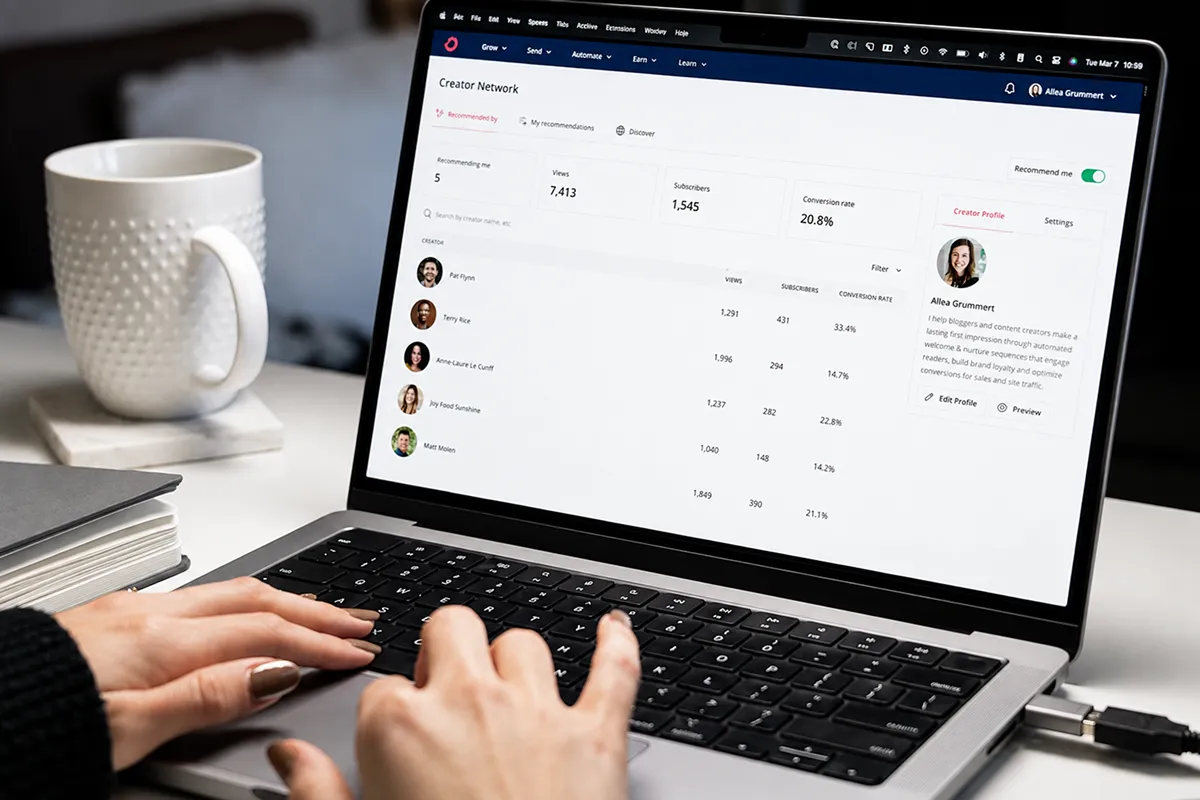
Use Insense’s creator marketplace to find relevant beauty creators that you can filter by age, gender, country, platform, and follower count.

Create clear, detailed briefs
The fastest way to kill good UGC is to over-polish it.
Your brief should be short, clear, and focused on outcomes.
Something like: “Film yourself getting ready using our tinted serum. Talk about how it feels, how it looks on your skin, and how it wears during the day. Be honest.”
The deliverables section on Insense’s brief builder lets you get really granular with what you want.

Collect, organize, and actually use the content
Set up a simple system to:
- Review and approve submissions
- Secure usage rights (especially for paid ads)
- Tag content by product, format, and use case
Then put it everywhere:
- Product pages
- Paid ads
- Email flows
- Stories. Reels
- Shorts
- Loyalty and referral programs
Psst… Manage your campaigns and creator content library all in your Insense dashboard. You can also automatically use UGC in your paid ad creatives via TikTok Shop or whitelisting on Meta.
Offer fair incentives
You still have options even if you’re on a tight budget.
Discounts, store credit, early access, or loyalty points can all go a long way, especially with existing customers.
You can also run small, focused paid campaigns. Even $100–$300 per creator can get you high-quality videos to reuse across ads and product pages.
Top 10 UGC Beauty Creators
1. Itsbabykelz
Kelz (a.k.a. Kelly Huang) is brilliant at raw, no-frills beauty UGC. Her content feels like you’re FaceTiming a friend while she tests a product in real time. She’s particularly well-known for her “ASMR Morning Shed” routines and accessible drugstore makeup tutorials.
2. Lubacreator
Luba is a German creator whose content is calm and polished. She’s especially strong at aesthetic skincare routines and slow, deliberate application shots.
3. Soprrom
Soprrom (Mariam Sopromadze) is great at creating visually striking UGC beauty content that still feels human. Her makeup videos highlight pigment, blendability, and finish clearly, making her a great fit for complexion products and color cosmetics that need close-up performance proof.
4. Audreyvictoria_
In her TikTok videos, Audrey applies products decisively, shows them up close, and lets the results do the talking. She’s especially good at capturing those wow moments, like rich pigment, instant glow, and clear before-and-afters.
5. Alexapbeauty
Alexa is very thoughtful and methodical on camera, breaking down routines in a reassuring way. Her strength is making skincare and beauty products feel easy to use and low-risk, which is why her videos work so well for routine-led content, concern-solving products.
6. Alina Beauty Routine
Alina’s content is very routine-driven and clearly made by someone who actually enjoys the process of skincare. She takes her time showing how products look, move, and sit on the skin, with a strong focus on texture, layering, and consistency over time.
7. Selenamup
Selena’s videos feature quick cuts, close-up blending, and immediate before-and-after moments. She often highlights payoff in real time, showing how products build, layer, and transform a look within seconds.
8. Maryam Makeupartt
Maryam’s videos focus on detailed, technique-driven application. You see exactly where products are placed, how they’re blended, and how they sit on the skin in close-up. She often slows the process down to show coverage, correction, and finish clearly.
9. Aitan Akhmed
Aitan consistently shows the starting point, the application process, and the finished result in a way that’s easy to follow. Her content often follows a structured routine format, making it simple for viewers to see exactly what changed and why.
10. Nats_tutorials
Nat’s videos are centred on talking through products as she uses them, explaining what she’s doing and why in real time. She breaks routines and techniques into simple, watchable steps, often highlighting how a product fits into everyday use rather than a “perfect” routine.
UGC Beauty Creator Campaign Case Studies
Here are some examples of real UGC beauty campaigns in the wild.
Fenty Beauty
Fenty has designed their UGC strategy around diversity.
Their TikTok presence is packed with bold, high-impact videos from creators with various different skin tones, genders, and styles.
The content focuses on payoff (coverage, glow, shade match) and feels native to the feed, which has led to a huge amount of social proof and products that feel like they’re genuinely for everyone.
Rare Beauty
Rare Beauty’s UGC works because it mirrors how its community already talks about beauty.
The brand regularly features GRWM-style videos from real customers and creators who use the products as part of everyday routines.
Creators also naturally fold in themes of confidence, self-acceptance, and showing up as yourself, which aligns closely with Rare Beauty’s broader brand values.
E.l.f.
Rather than commissioning one-off creator videos, e.l.f. designs campaigns that have a specific focus, like joining a challenge or using a specific sound.
This creates a kind of creator squad (pretty cool) that helps trends take off because multiple accounts get involved at once.
Like this campaign featuring a handful of UGC creators talking about the brand’s latest product.
Glow Recipe
Glow Recipe’s creators use UGC to show how products fit into their existing routines.
Step-by-step application matters here: skincare buyers want to see order, texture, and absorption, and Glow Recipe’s UGC consistently answers those questions on camera.
The result is content that feels visually cohesive across platforms while still functioning as practical product education, which is why it performs well on product pages, in paid ads, and in organic social feeds.
Sephora
Sephora uses UGC as more of a discovery and decision-making tool. It reposts creator content from the brands it carries to help shoppers see how products work in actual, real routines.
This really matters when customers are comparing shades, finishes, or formulas across multiple options.
Sephora often places this content close to the point of purchase (e.g. on product pages, in-app, or across its social channels) so shoppers get social proof without leaving the ecosystem.
Topicals
Topicals’ UGC often shows close-ups of texture, breakouts, hyperpigmentation, and flare-ups, while creators talk about their own skin journeys.
The products are shown as part of ongoing care, which feels far more believable to anyone who’s ever struggled with their skin. This is the kind of honesty that builds trust.
Finding & Managing UGC Creators with Insense
If you’re serious about using UGC for beauty (and you should be!), great. Insense can help. In fact, it can do most of it for you.
Here’s how:
- Find influencers who gel with your brand. You can search and filter creators based on platform, location, previous brand work, follower count, and more. A good tip here is to search using the hashtag feature to find creators already doing GRWM videos and makeup tutorials.
- Create detailed briefs for multiple creators. You can outline deliverables, timelines, talking points, and usage rights without taking away creativity from creators.
- Manage all your campaigns in one place. Insense keeps all of your campaign assets organized in one place, including applications, approvals, submissions, and revisions. This helps you review videos and give feedback quickly.
- Get clear usage rights for paid ads and product pages. Insense makes usage rights explicit, which is really important if you’re repurposing UGC for paid ads, TikTok Shop, product pages, or in your emails.
- With Insense’s influencer outreach tool, you can contact and follow up with creators in one place, which keeps campaign setup moving.
Beauty UGC needs volume and variation. This often involves different skin tones, routines, faces, and formats. Insense helps you do this by making it easy to test creators and scale what works.
It works particularly well if you’re building an ongoing UGC engine rather than running a single campaign. And the more you use it, the easier it gets. You can rework successful briefs, rehire creators who perform well, and double down on content that’s already converting.
Book a demo to see how it works for your brand, or try it for free to test a campaign yourself.