In beauty, trust is everything.
And nothing builds trust faster than seeing a real person use (and genuinely love!) a product.
That’s the power of user generated content (UGC). It’s social proof in action.
When someone sees a creator with their skin type, tone, or exact concern talking openly and honestly about a product, it’s going to lower their guard and be far more persuasive than any polished ad could ever be.
For beauty brands, this is key. It’s a category where results really, truly matter for building trust and driving sales.
Here’s how you can use UGC to grow.
Why UGC Is Essential in Beauty Marketing
There’s a reason UGC is a no-brainer for beauty brands.
Shoppers want to see real people talking about real results rather than a polished ad that may or may not have been filtered to within an inch of its life.
This is reflected in the stats:
- A whopping 86% of consumers prefer the unfiltered, honest lens of UGC when making product decisions
- 61% specifically trust UGC more than traditional media when shopping for cosmetics
So why does this matter? Because beauty is so personal. Skin type, undertone, texture… they’re all different for every person.
Seeing someone with similar features talk candidly about how a foundation holds up in daylight or how a night-cream feels after weeks of use builds trust in a way scripted campaigns can’t.
One step up from that, UGC plays a massive role in the buying journey itself. About 79% of buyers say that seeing content from other users has influenced their purchasing decisions.
But there’s a catch.
Collecting, organizing, licensing, managing, and scaling all that content while keeping rights clear is a massive task to handle manually. That’s where platforms like Insense come in. They help brands scale UGC production, manage creator workflows, and even sort licensing right from the start.
UGC Beauty Examples That Drive Results
When it comes to beauty marketing, not all UGC performs the same.
The magic happens when you use the right formats for the right moments. Here are some of the most common content formats in beauty for you to test out.
Product Tutorials and How-To Videos
Tutorials are your bread-and-butter trust builders.
They show exactly how a product fits into someone's routine and answer any objections before those pesky hesitations start setting in.
Some content ideas include:
- “GRWM using only X brand”
- Step-by-step application for specific skin types
- Side-by-side comparisons with and without the product
- “3 mistakes you’re making with your concealer” featuring your product as the fix
Before-and-After Transformations
Nothing stops the scroll like visible proof.
Before-and-afters are powerful in beauty because results are always very visual, whether it’s brighter skin, smoother texture, fuller lashes, or longer wear.
Some content ideas include:
- 7-day or 30-day skin progress updates
- Split-screen transformation videos
- Flash transitions (bare face to full routine results)
- Close-up texture shots in natural lighting
Unboxing and First Impressions
Unboxing videos are really just excitement-driven pieces that build anticipation (and who doesn’t love a bit of anticipation?!). They’re particularly powerful for new launches or PR drops.
Some content ideas include:
- “Opening this viral blush for the first time”
- ASMR-style packaging reveals
- Live shade swatching reactions
- First wear test with honest commentary
Trend Participation (Challenges, Sounds, Filters)
The beauty world is rife with trends.
There’s a new one every day, so there’s no excuse to not get involved. That being said, when you do lean into a trend, it needs to feel relevant rather than overly promotional.
Some content ideas include:
- Using a trending TikTok sound for a transformation reveal
- Participating in “clean girl” or seasonal makeup trends
- Quick hook-style trend videos: “I didn’t expect this lip combo to…”
- Filter-based transitions showing different shades
UGC Ads (Whitelisting and Creator Licensing)
Whitelisting is when you run ads through a creator’s handle, so you get all the authenticity of your content feeling like its native (which it is, really, when you think about it).
Some content ideas include:
- Objection-handling ads (“Is this foundation actually good for textured skin?”)
- Problem-solution hooks in the first 3 seconds
- Testimonial-style talking head videos optimized for paid
- Multiple hook variations using the same core footage
When you licence content properly (which you can do really easily with Insense), you can scale your best-performing UGC across Meta and TikTok.
Community-Led Product Launches
Instead of announcing a launch at your audience, invite them into it. Community-led launches build hype, loyalty, and social proof all at once.
Some content ideas include:
- Seeding products to micro-creators before launch day
- “Vote on the next shade” campaigns
- Countdown content from multiple creators
- Compilation videos featuring real customers reacting on launch day
How UGC Platforms Power Beauty Brands
Creating great UGC is one thing, scaling it is another thing entirely.
That’s where UGC platforms come in, giving beauty brands the structure, speed, and control they need to turn creator content into real growth.
Source the Right Mix of Diverse, Niche, and Authentic Creators
Great content starts with great creators (and not just the ones with big follower counts).
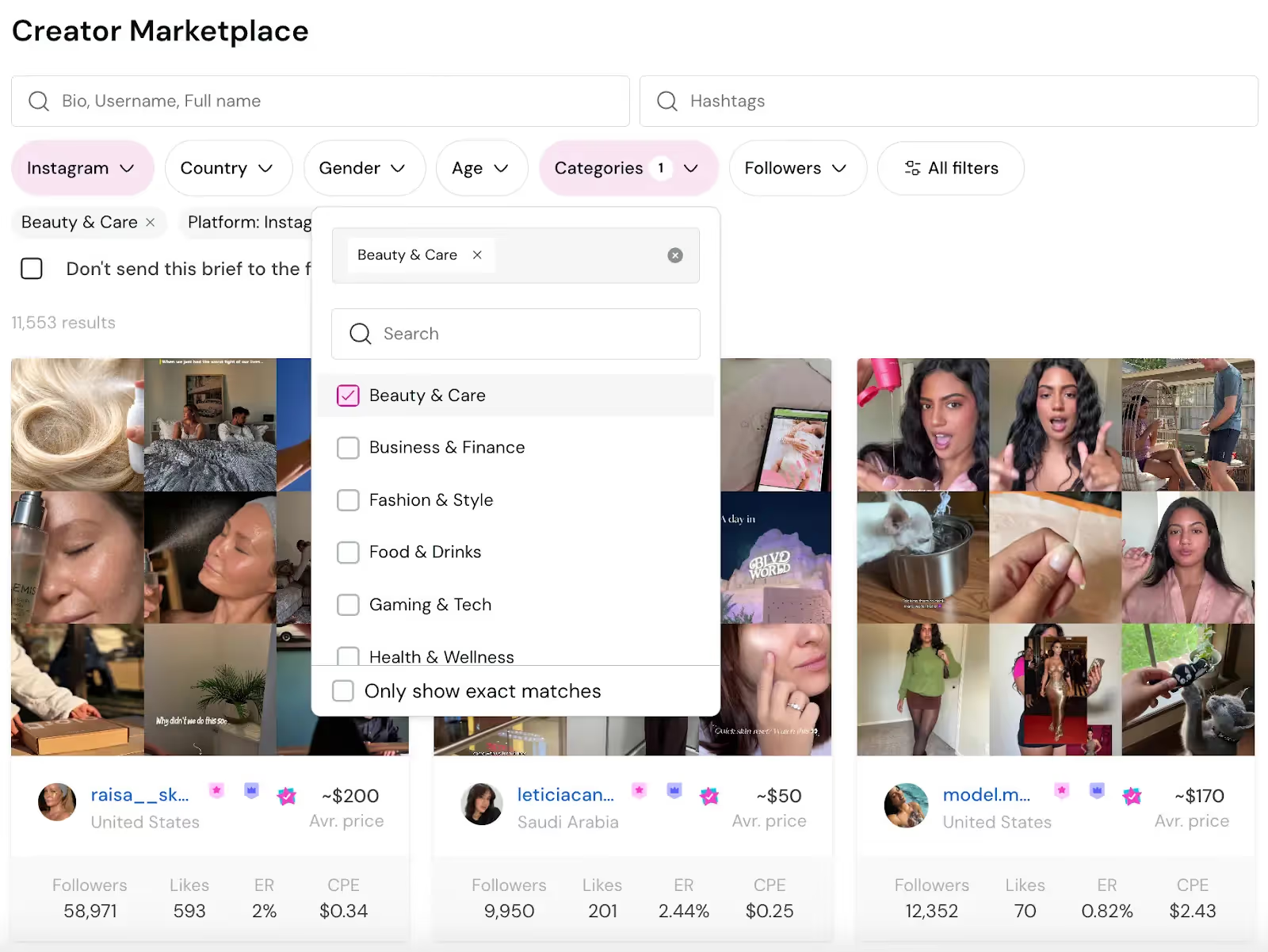
The best UGC platforms are creator marketplaces where you can filter talent by niche, demographics, and content type. The depth of discovery is particularly useful in beauty, where relatability (i.e. someone with similar skin type or hair texture) plays a huge part in buying decisions.
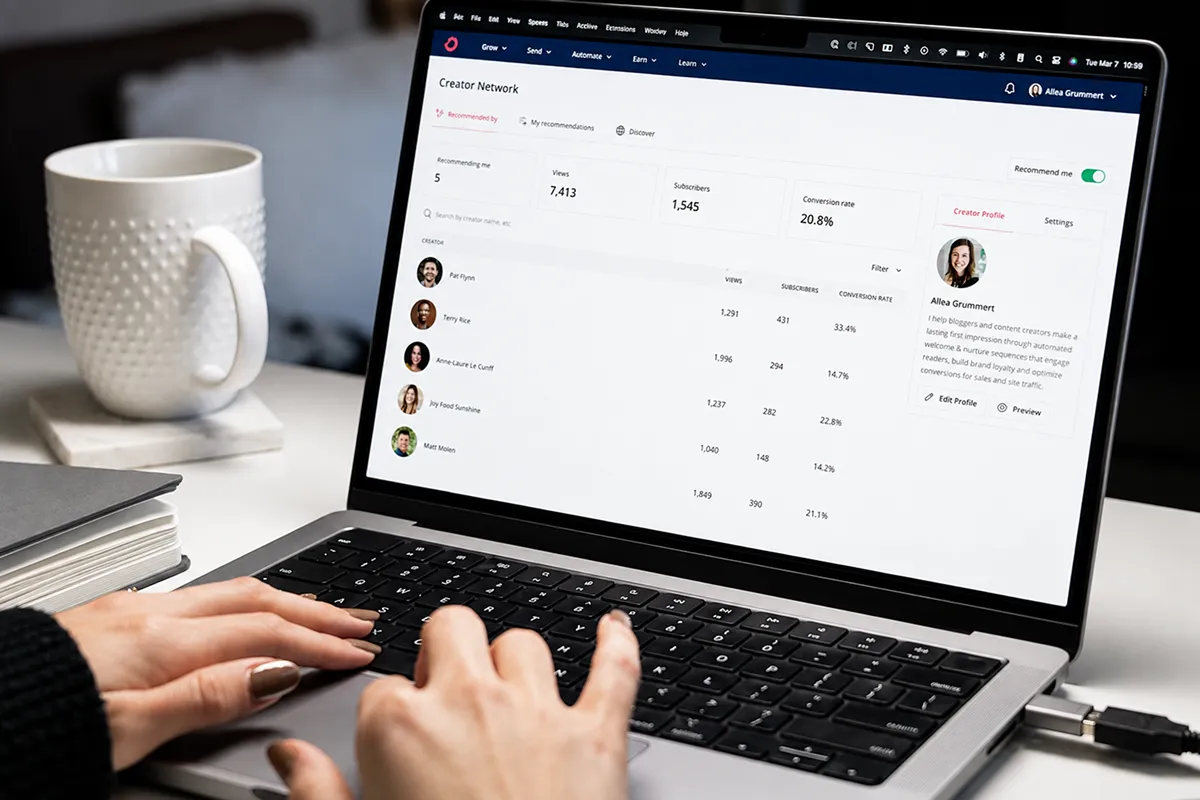
Insense’s creator marketplace has over 115,000 registered creators and lets you browse creators based on category, platform, age, country, demographics, follower count, and more.
When you click into a profile, you can see granular info about each creator, including a breakdown of their audience, reviews, and content they’ve created in the past.
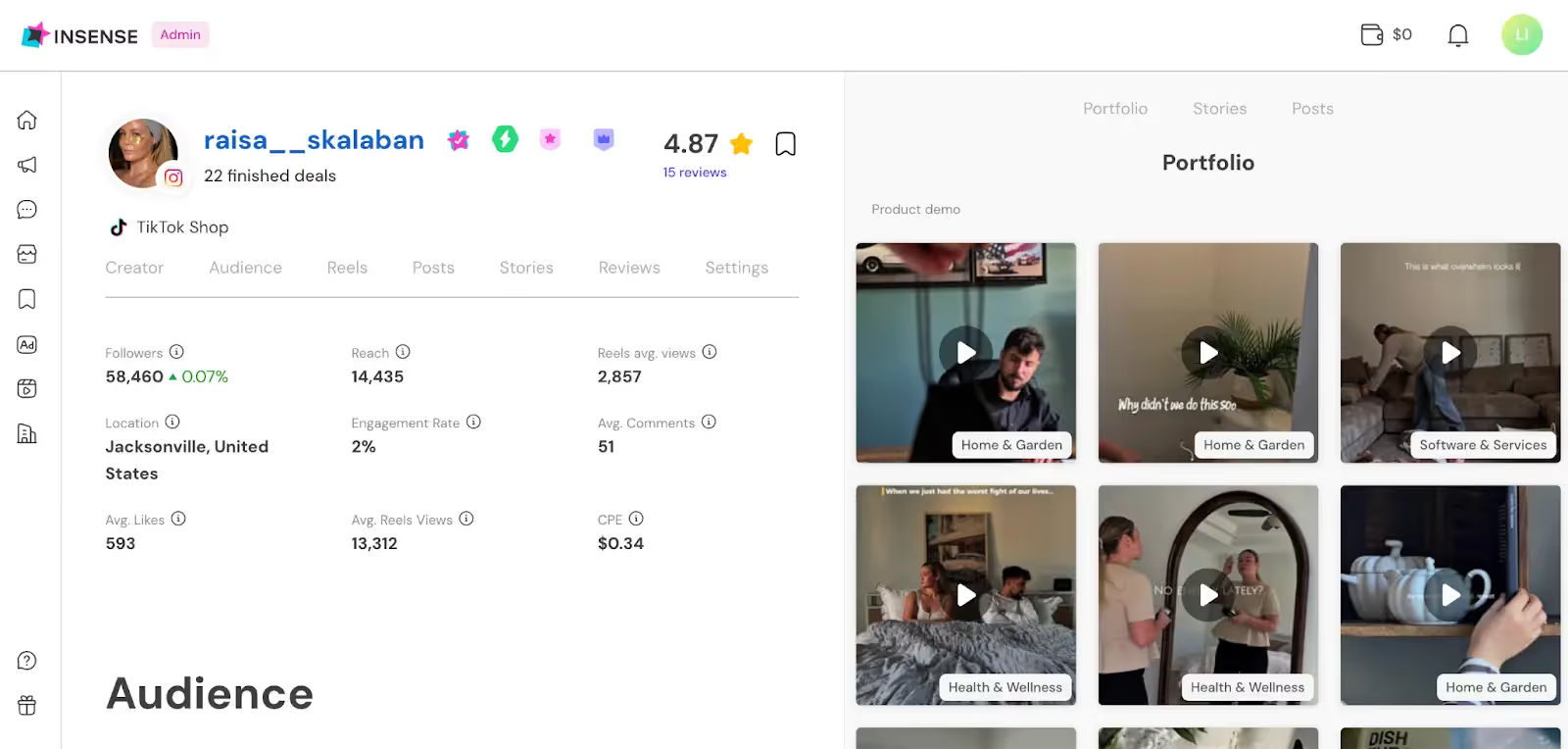
You can then add good-fit creators to a list for future campaigns.
Brief and Manage Creators In One Place
Anyone who’s ever run a UGC campaign manually knows the pain. DMs, emails, spreadsheets, creators asking the same questions again and again. It’s… a lot.
UGC platforms turn that kind of rag-tag chaos into a cleaner workflow. You can upload a brief once, share assets, set deadlines, communicate with creators, and so much more all in one place. They can even help you manage product giftings and send reminders.
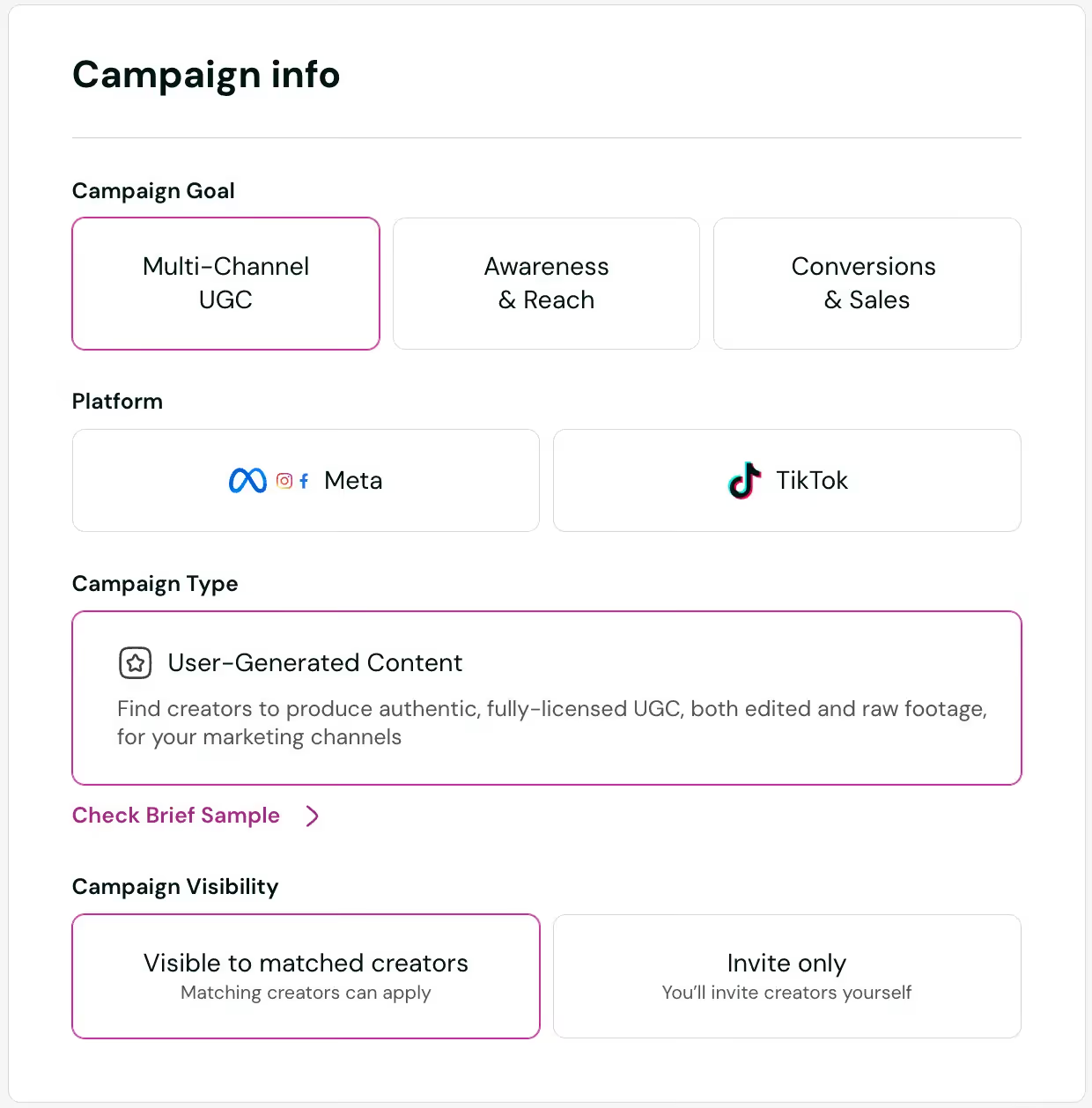
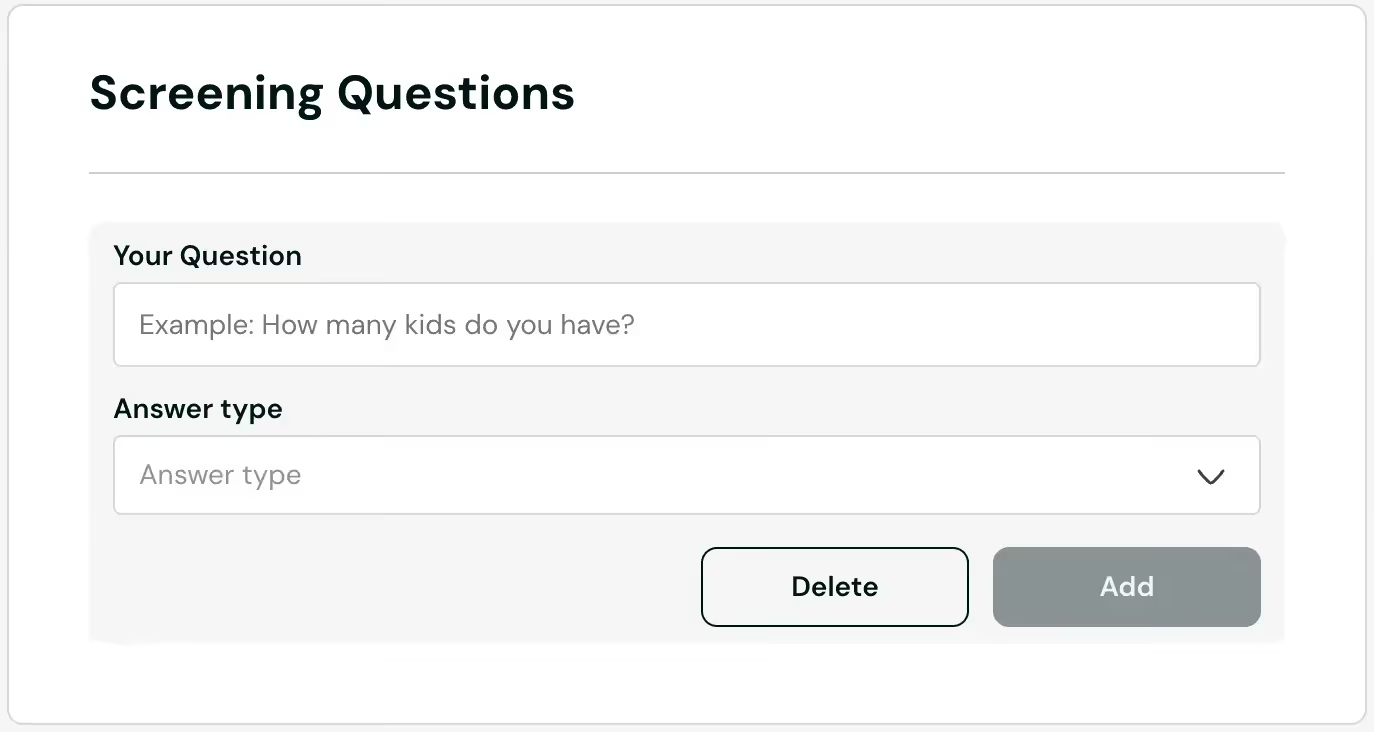
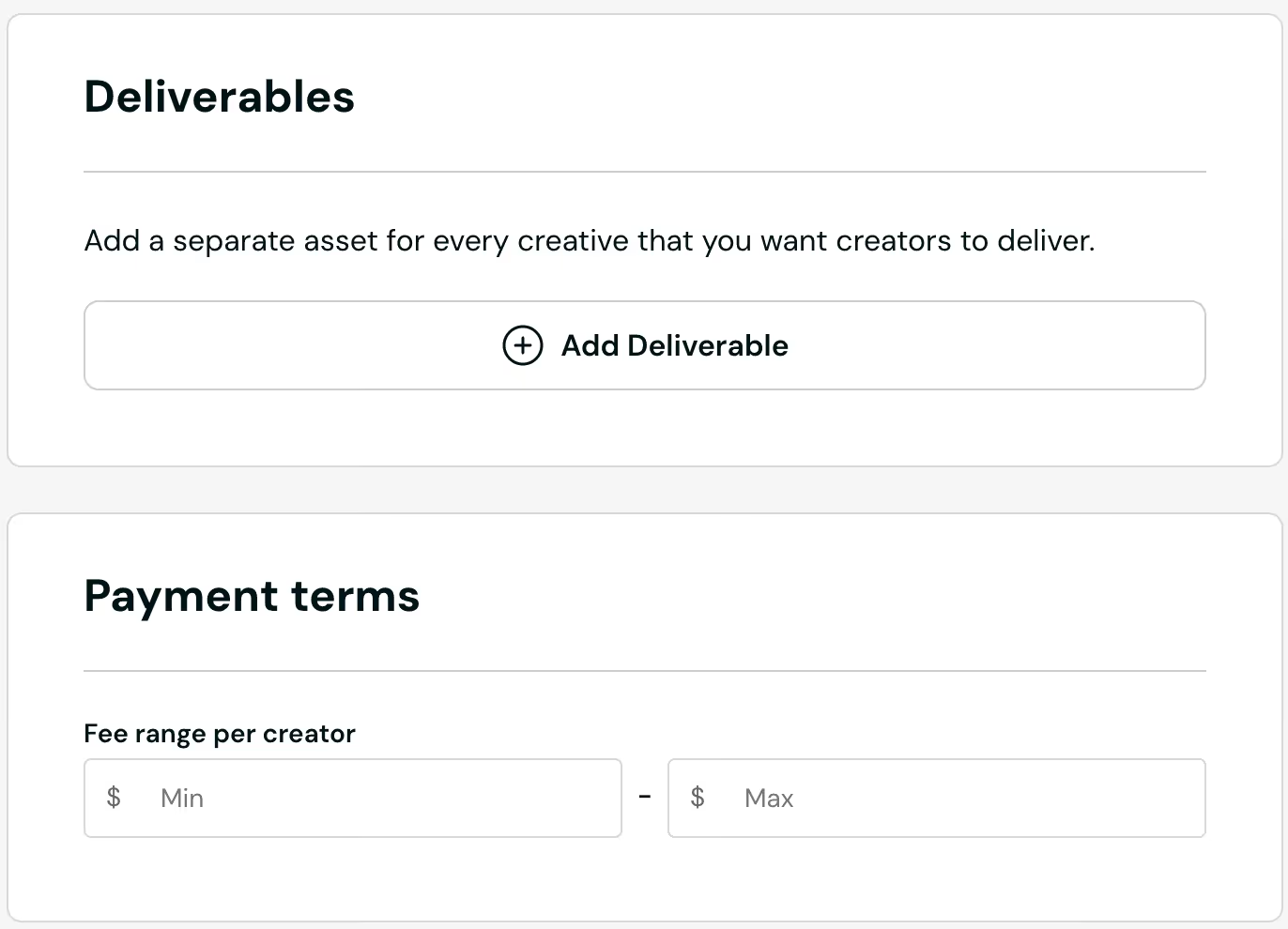
Insense’s creative brief builder lets you get really specific with what you want from creators. The brief template changes depending on your goal, giving you plenty of room to note down your must-haves.
- Choose your campaign goal and platform
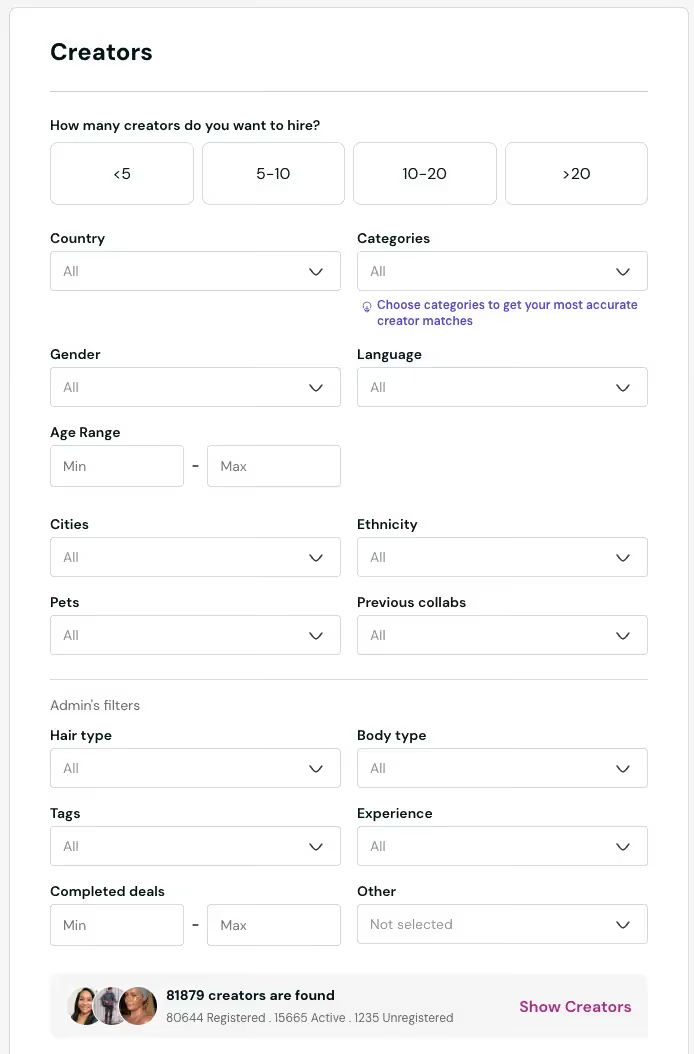
Specify what kind of creators you want based on the demographics, age, location, and more.
Add any screening questions to make sure creators are the right fit.
Specify the deliverables you want and payment terms.
Handle Content Rights and Licensing to Avoid Legal Risks
Reposting a creator’s video without clear rights can be a legal minefield, especially when it’s being used in paid ads or on-site merchandising.
UGC platforms bake licensing into the workflow so creators grant the rights you need upfront. This kind of clarity also unlocks whitelisting, where you can boost creator content directly as ads without having to follow up again and again for permission.
Insense’s briefs serve as a legal contract between you and your chosen creators. When a creator applies to your brief, they automatically agree to the terms and conditions of the campaign.
You also get full digital usage rights to any content you commission on Insense. This means you can reuse any content you get for future ads, website content, or whenever you see fit.
Create and Deliver Assets Optimized for Meta and TikTok Ads
Great UGC should look good and perform well.
With Insense, you can brief creators to deliver assets in ad-ready formats (e.g. 9:16 vertical, strong 3-second hooks, clear CTAs, etc.) so the content feels completely at home on TikTok and Instagram Reels.
Even better, Insense supports creator whitelisting (a.k.a. allowlisting), which means you can run ads directly from a creator’s handle.
From a workflow perspective, this is great. You can manage approvals, secure usage rights, and move assets straight to your ad accounts without needing to chase creators for permission in their DMs.
Track Which UGC Formats Perform Best
You can find creators and collect tons of content, but without data, you’re basically throwing spaghetti at the wall and seeing what sticks.
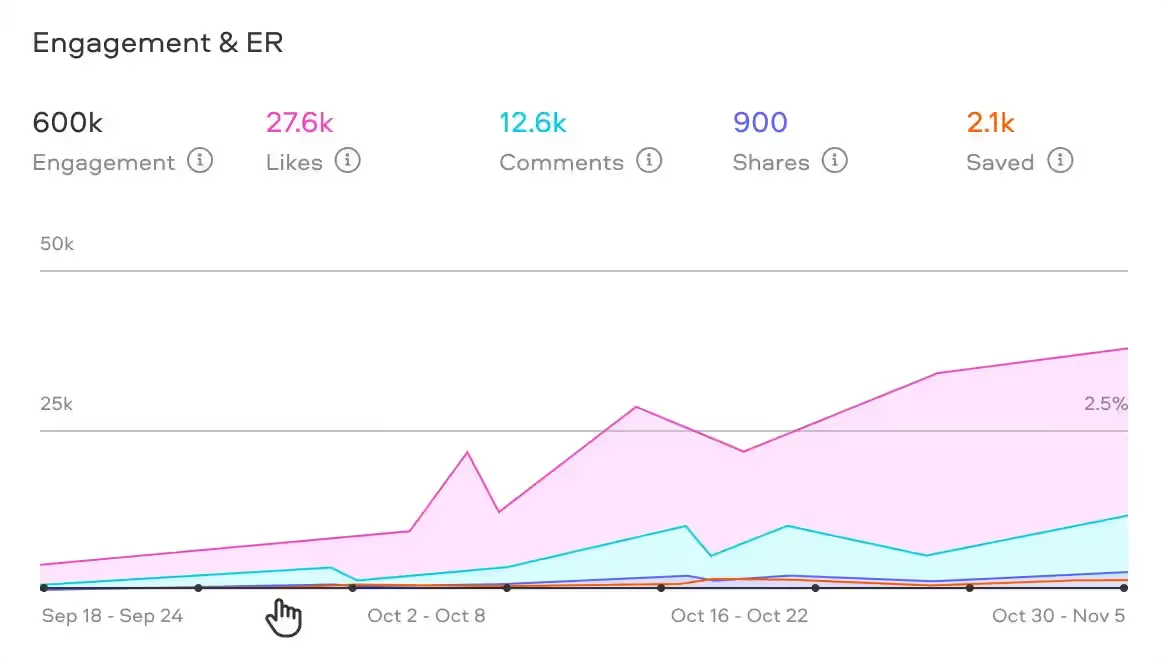
UGC platforms give you real performance insights, like what types of videos drive clicks and which creators get the most engagement. This means you can continuously improve your campaigns by building on that data.
Insense’s performance dashboard lets you see how each campaign and creator has performed. This info includes core metrics like views, CPM, engagement, conversions, and spend.
Best Practices for Beauty Brands Using UGC Platforms
There are beauty brands that absolutely crush it with UGC and others that… well, don’t. So, what’s the difference? It’s all in the strategy.
Here’s how to get it right.
Be Specific in Your Briefs
Details matter in beauty. Skin type, style, lighting etc all make a massive difference. So, instead of creating a vague brief, clearly guide creators:
- What skin type should they highlight?
- What’s the lighting setup?
- Are you looking for raw and chatty or aesthetic and polished?
- What’s the hook in the first 3 seconds?
The more granular you get with what you want, the more usable your content will be (especially for paid ads). It’ll also mean fewer back and forths as you try and get the content right.
Prioritize Diversity and Inclusivity in Creators
Beauty is very personal, and your audience wants to see themselves reflected in your marketing.
That means sourcing:
- Different skin tones and undertones
- Various skin concerns
- Different age groups
- Diverse hair types and textures
- Different body types and gender expressions
Shoppers are way less likely to doubt your brand and products if they see someone that looks like them using your product.
Test Multiple Formats
All creators are different. They have different styles and might be better at producing one type of content than another. Use that to your advantage.
Instead of asking every creator to create the exact same format (boring!), let them choose what works best from:
- Quick hook-led problem/solution videos
- GRWM-style videos
- Clear before and after transformations
- Short testimonial-style clips
Different formats serve different stages of the funnel, so it’s handy to have a mix in every campaign. For example, tutorials can build trust, while testimonials handle objections. When you test a mix of formats you can quickly see what your audience responds best to.
Regularly Refresh Your Creatives
Even the best-performing creative will eventually get old. Shocker, we know, but it can and does happen (especially if you’re running ads).
You really need a pipeline of fresh content every month to keep things new and exciting. No one wants to see the same ad again and again during their lunchtime scroll.
The good news is that with a UGC platform, you can build this into your workflow. Instead of scrambling to grab new content when performance starts to dwindle, you can continuously source new creators, new hooks, and new angles. Kind of like a creative engine.
Scale What’s Working Across Ads, Ecommerce, And Email
Nobody keeps baby in the corner. Likewise, your best-performing UGC shouldn’t live in just one place.
If a piece of content performs well in an ad:
- Test it on your product pages
- Add it to landing pages
- Drop it into abandoned cart emails
- Repurpose it for retargeting ads
At the end of the day, beauty UGC isn’t all about chasing the hottest, newest trend. Instead, you should aim to build a repeatable system made up of strong briefs, diverse creators, constant testing, refreshes, and clever distribution.
Scale Beauty Marketing with Confidence
Beauty marketing runs on trust…
… and trust is built through real voices, real results, and real experiences.
UGC gives you the social proof you need to convert modern shoppers, but to scale it you need to do more than repost a few tagged videos.
With the right strategy (and the right platform), you can consistently find diverse creators, produce performance-focused content, secure licensing, and turn top-performing UGC into ads, PDP assets, and email creatives.
Insense does all of this and more, from sourcing the best-fit creators for each campaign, to managing the entire campaign flow from start to finish.
Try it for free or book a demo.
FAQS
What is UGC in beauty marketing?
UGC (user-generated content) in beauty marketing refers to content created by real customers or creators showcasing a brand’s products. Think tutorials, reviews, before-and-afters, and first impressions. It’s powerful because it builds trust through relatability and authentic experiences rather than polished brand messaging.
What types of UGC perform best in beauty?
Before-and-after transformations, tutorial-style videos, problem-solution hooks, and testimonial-style ads tend to perform best because they clearly demonstrate results. Content that feels native to TikTok or Instagram (especially short-form vertical videos with strong hooks) consistently drives higher engagement and conversions.
Why use a UGC platform instead of just social hashtags?
Hashtags are passive. You’re waiting and hoping someone creates content you can use. A UGC platform gives you proactive control: you can source the right creators, brief them strategically, secure usage rights, and produce performance-ready content at scale rather than relying on random organic mentions.
How do beauty brands secure rights to UGC?
Brands need explicit permission and licensing agreements before repurposing UGC in ads, on websites, or in email marketing. Platforms like Insense build licensing directly into the campaign workflow, ensuring usage rights are clearly defined upfront. This protects the brand and unlocks paid amplification opportunities like whitelisting.
Which UGC platforms work best for beauty brands?
The best UGC platforms for beauty brands are those that specialize in short-form video, paid ad integration, and creator whitelisting while also supporting diverse creator sourcing and clear licensing. Platforms like Insense are particularly strong for beauty because they’re built for performance-driven brands that want scalable, ad-ready UGC without operational bottlenecks.
.avif)