DTC brands running paid social know that UGC works, yet now face workflow problems with producing UGC at scale. Concepts are running dry, creators taking too long to source, assets getting lost in a shared drive, and a launch process that eats a week between an approved idea and a live ad.
Help is at hand. A wide variety of ad creative production workflow platforms have emerged to solve these issues and accelerate the process of running UGC ads at scale.
This guide ranks the 8 best ad creative production workflow tools for DTC brands in 2026 on how well each one solves the above bottlenecks.
No single tool on this list owns the entire workflow from concept to launch, so this guide also covers where each one fits into a DTC ad creative workflow, and where each one stops.
TL;DR
A quick summary of the best ad creative workflow software for DTC brands, and which production bottleneck each one solves:
- Best overall for creator-sourced UGC and whitelisting: Insense sources vetted creators for UGC, and connects with Meta Partnership Ads or TikTok Spark Ads for whitelisting from one briefing workflow.
- Best for turning existing footage into ad variations fast: Sovran is AI video editing software that renders modular ad variations from footage you already have and publishes them directly to Meta.
- Best for creative research and briefing: Foreplay combines swipe files, competitor monitoring, and Meta-connected performance analytics through its Lens feature.
- Best for a searchable asset library tied to performance: Focal is AI-powered digital asset management that links every asset back to how it performed.
- Best for fatigue detection and cross-network analytics: Segwise and Motion both tag creative elements against performance, though Segwise adds explicit fatigue alerts across 15+ networks while Motion is deepest on Meta.
- Best for enterprise, cross-channel scale: Smartly.io is ad creative workflow software built for teams big enough to absorb its cost and onboarding lift.
What Is an Ad Creative Production Workflow Tool?
An ad creative production workflow tool is software that helps a DTC team manage one or more stages between identifying a creative opportunity and launching a finished ad, so they can produce more usable ads and ad variations.
For example, a supplement brand tracking ad fatigue might use one tool to spot a declining hook and a separate tool to source a new creator to reshoot it.
What problems does an ad creative workflow tool solve?
Most DTC teams adopt one or more of these tools to fix a specific bottleneck:
Production speed. How long it takes from an approved concept to a finished, launchable asset.
Creative variation and fatigue. A steady supply of new hooks, formats, and angles, plus a way to know when an asset is fading.
Reusing existing assets. Finding usable raw footage that is already sitting in a drive instead of shooting more.
Collaboration and approvals. Moving briefs, creator communication, usage rights and sign-off out of email and into a shared system.
Scaling without scaling headcount. Producing more usable ad variations without a proportional increase in editors or strategists.
Streamlining the handoff between stages. Reducing friction between the person sourcing an idea, the person producing it, and the person launching it.
Best Ad Creative Production Workflow Tools for DTC Brands
The 8 best ad creative production workflow tools for DTC brands in 2026, and where each one directly fits into a DTC ad creative workflow:
Insense
Insense is a UGC and influencer marketing platform that sources creators who produce UGC, with the option to connect content to Meta Partnership Ads and TikTok Spark Ads for paid distribution.
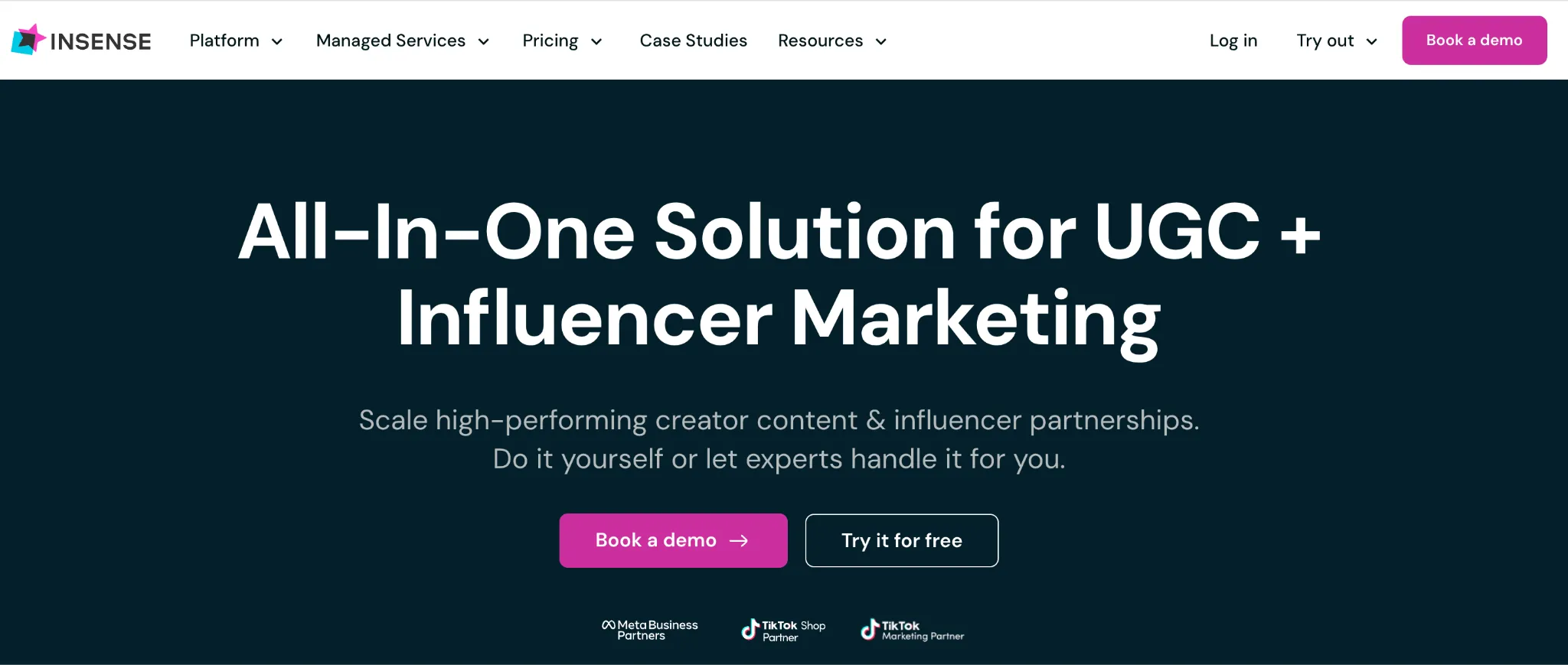
- Best for: DTC and Shopify brands that need a repeatable pipeline of creator-sourced UGC and a direct path to running that content as paid ads.
- What it does: Matches brands with vetted creators from a global network of 115,000+ creators and manages the briefing workflow, usage rights, and payments.
- Where it fits: Creator sourcing and UGC production, briefing and collaboration, and ad launch through whitelisting. Insense also surfaces creator-level performance data, so teams can identify which creators are driving results and brief them again.
- Limits: Outside of their Managed Services feature, Insense’s creator marketplace does not include in-house video editing tools beyond what creators deliver.
Sovran
Sovran is an AI video-ad platform that renders existing footage into multiple modular ad variations and publishes them directly into Meta ad sets.
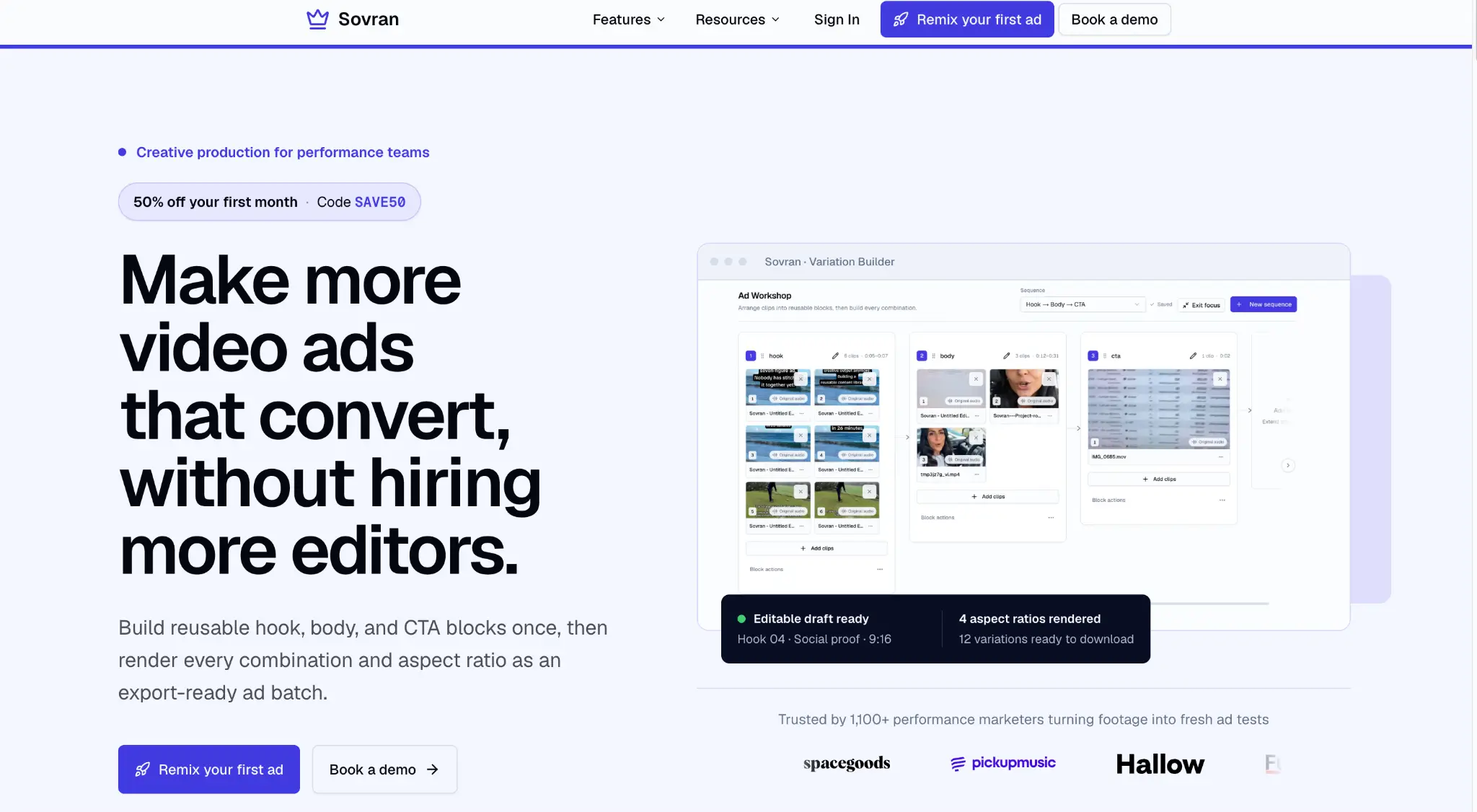
- Best for: Performance marketing teams that already have raw footage and need to generate and test many ad variations without hiring more editors.
- What it does: Takes existing footage plus brand context and produces multiple editable, modular ad variations, then publishes directly into Meta ad sets, including bulk publishing and thumbnail A/B testing.
- Where it fits: Editing and post-production, ad variation generation, and ad launch on Meta.
- Limits: Requires footage you already have, so it is not a from-scratch concepting tool, and the base plan caps out at 50 modular video ads a month.
Foreplay
Foreplay is a creative research and briefing platform that combines a swipe file, competitor monitoring, and Meta-connected performance analytics.
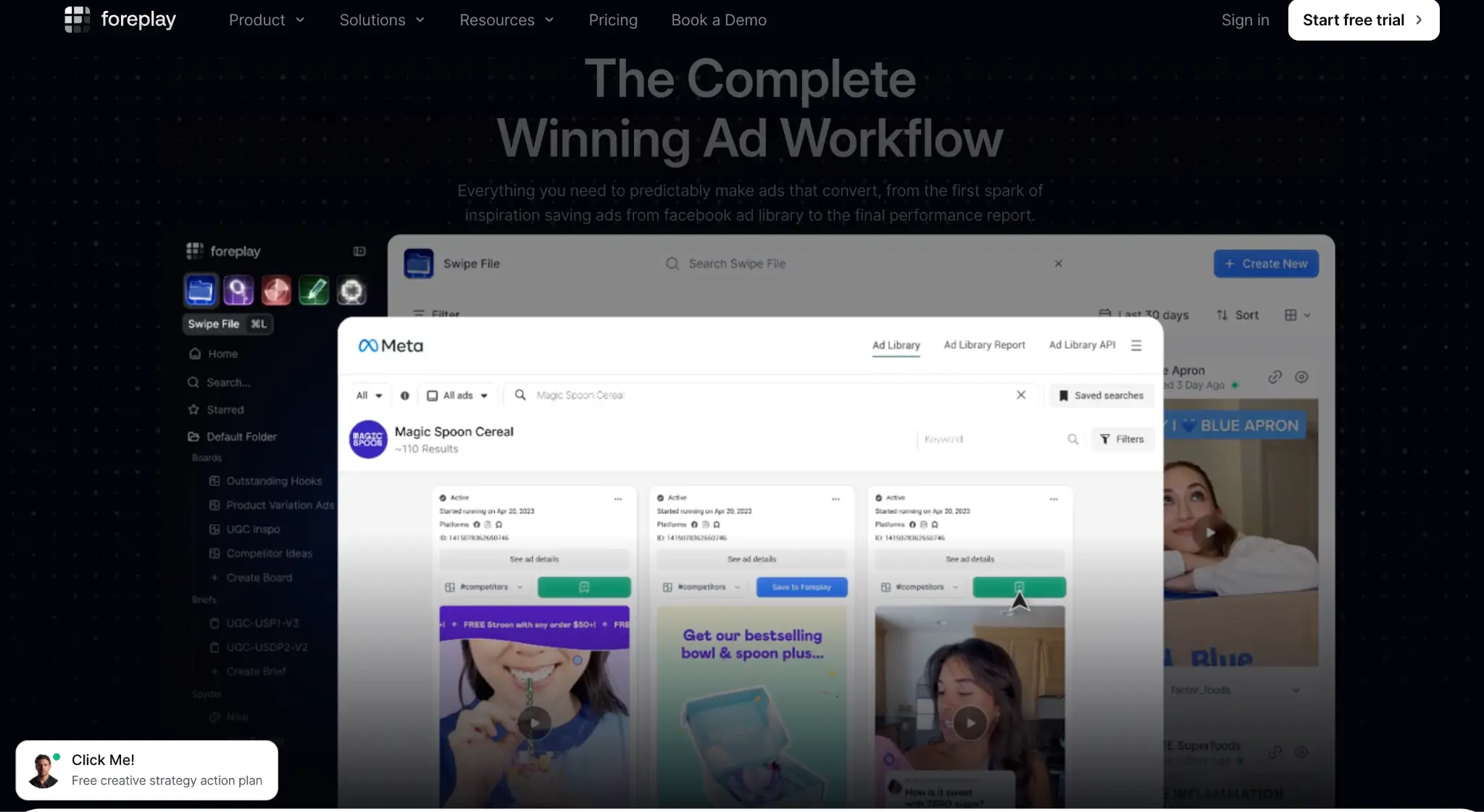
- Best for: Creative strategists and agencies who want competitive intelligence and structured briefs feeding into production.
- What it does: Lets teams save and transcribe ads from Meta, TikTok, and LinkedIn ad libraries, search across more than 100 million ads, monitor competitors around the clock, build creative briefs, and review Meta ad account performance with AI-tagged hooks and personas through its Lens feature.
- Where it fits: Ideation and concepting, asset organization through the swipe file, and creative testing and performance analytics through Lens.
- Limits: No video editing and no ad publishing, so Foreplay covers research, briefing, and analytics rather than execution, and Lens is currently strongest on Meta.
Focal
Focal is an AI-powered digital asset management platform built for performance ad teams managing high creative volume.
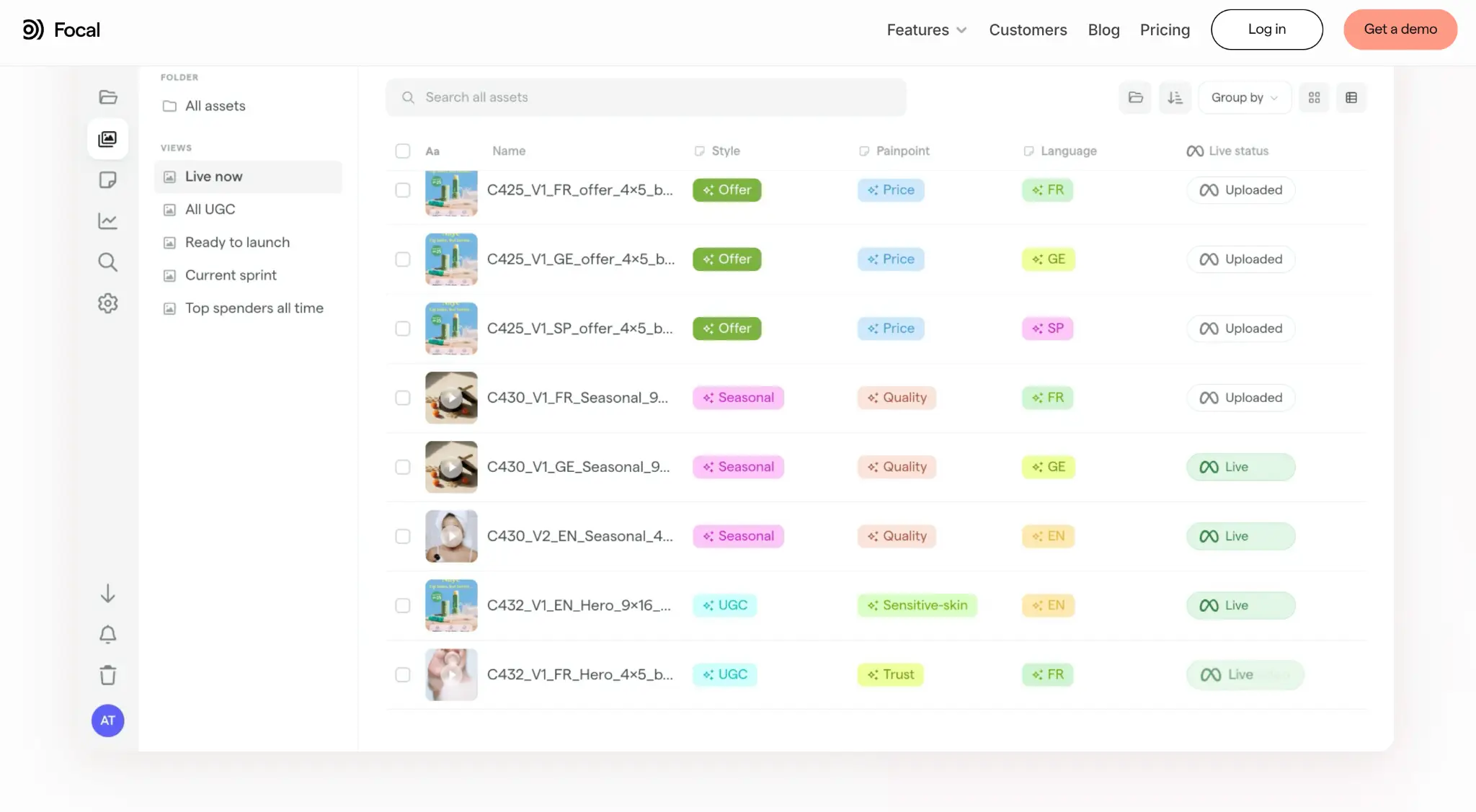
- Best for: Performance teams with high creative volume across Meta, TikTok, and YouTube who need one system of record instead of a scattered drive-and-spreadsheet setup.
- What it does: Auto-tags assets by format, theme, and scene-level content, links live ad performance data back to individual creative assets, and runs Creative Boards for brief-to-delivery collaboration with enforced naming conventions.
- Where it fits: Asset organization and library management, plus collaboration and approval workflow.
- Limits: No in-app editing tools and no confirmed direct ad publishing, so Focal organizes and prepares assets for export rather than launching ads itself.
Motion
Motion is a creative analytics platform that connects individual creative elements to ad performance across Meta, TikTok, YouTube, and LinkedIn.
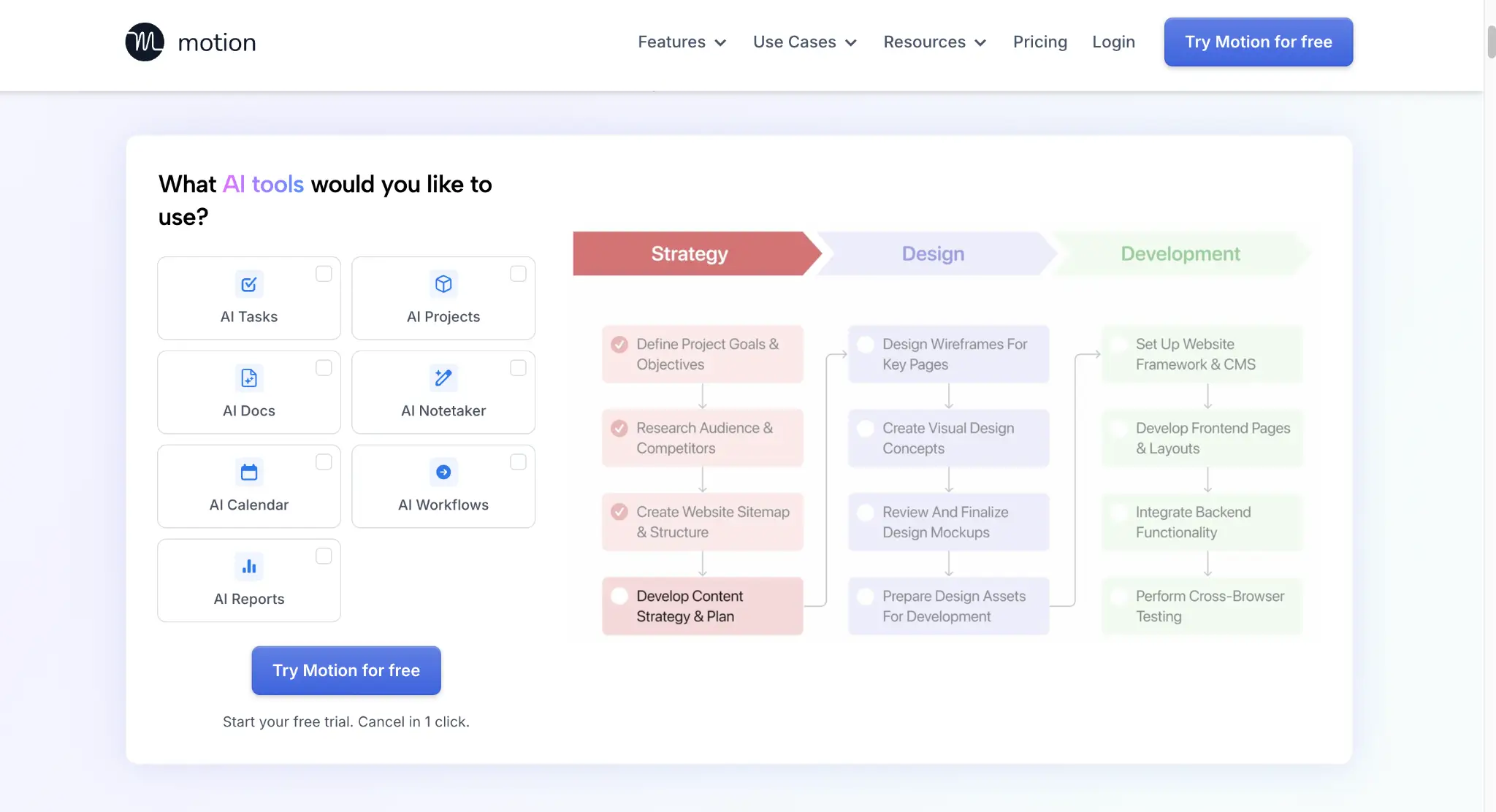
- Best for: DTC brands spending heavily on Meta that want visual, hook-level performance reporting instead of spreadsheet exports.
- What it does: Applies AI tagging across roughly eight creative dimensions, such as hooks, formats, and talent, tracks light competitor activity, and generates AI weekly creative briefs.
- Where it fits: Creative testing and performance analytics, plus lightweight competitive intelligence.
- Limits: Feature depth drops outside Meta, and unlike Segwise, Motion does not proactively alert on creative fatigue, so teams still have to watch for the decline themselves.
Segwise
Segwise is an AI creative-analytics platform that unifies performance data across more than 15 ad networks and alerts teams to creative fatigue.
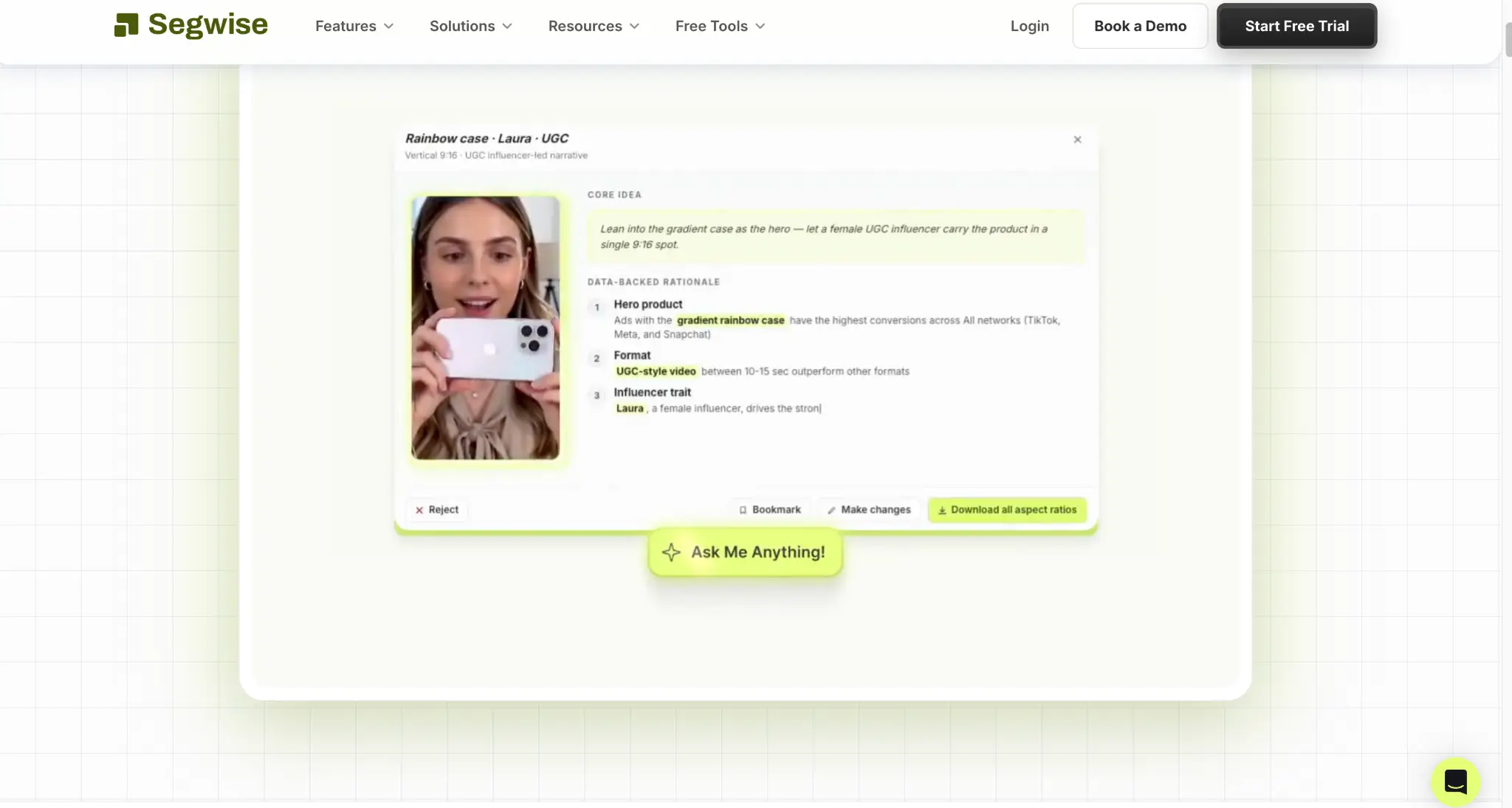
- Best for: Brands and agencies advertising across multiple networks, particularly mobile gaming and subscription apps, that need cross-network creative intelligence and proactive fatigue alerts.
- What it does: Auto-tags creative elements against outcomes, tracks fatigue with explicit alerts, and can generate new ad variations grounded in past performance through its Strategy Agent.
- Where it fits: Creative testing and performance analytics, fatigue detection, and AI-assisted ad variation generation.
- Limits: Needs multiple data sources connected to deliver full value, and it does not publish ads itself, so insights and generated variations feed back into your process rather than going live directly.
Recharm
Recharm is a video asset-management tool built to help brands reuse existing raw footage instead of shooting new content.
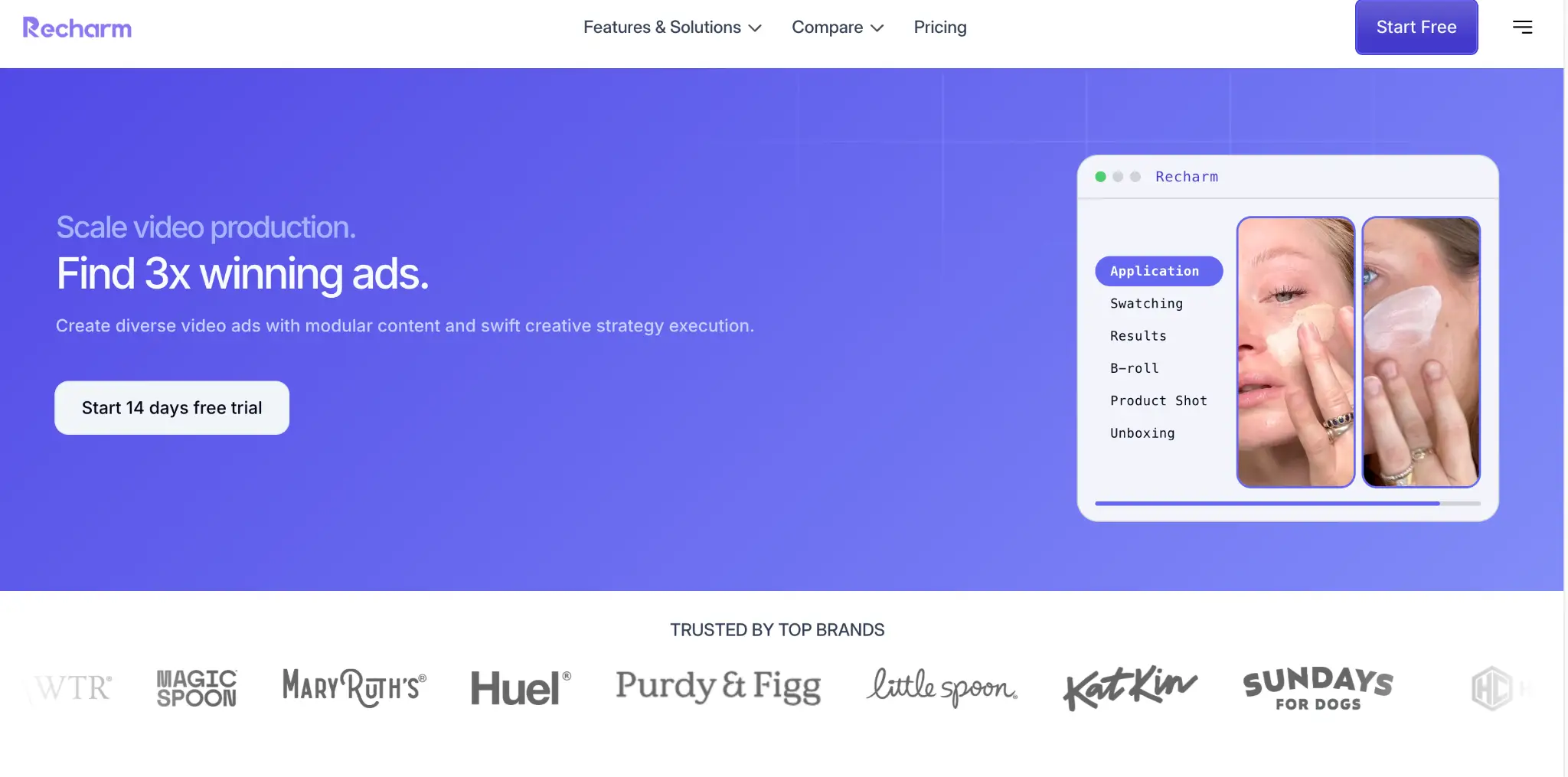
- Best for: Brands and agencies sitting on large volumes of raw video who want to turn one shoot into dozens of usable clips.
- What it does: Uses AI visual and transcript search, auto-tags footage by creator, product, and angle, and pre-cuts modular clips such as hooks and testimonials, with natural-language brief-to-footage matching.
- Where it fits: Asset organization and library management, speeding up the front end of editing by making footage instantly briefable.
- Limits: Not an editor itself, and there is no confirmed direct publishing to Meta or TikTok, so it is the step before the edit rather than the launch.
Smartly.io
Smartly.io is an enterprise advertising platform that combines creative production and cross-channel media buying in one system.
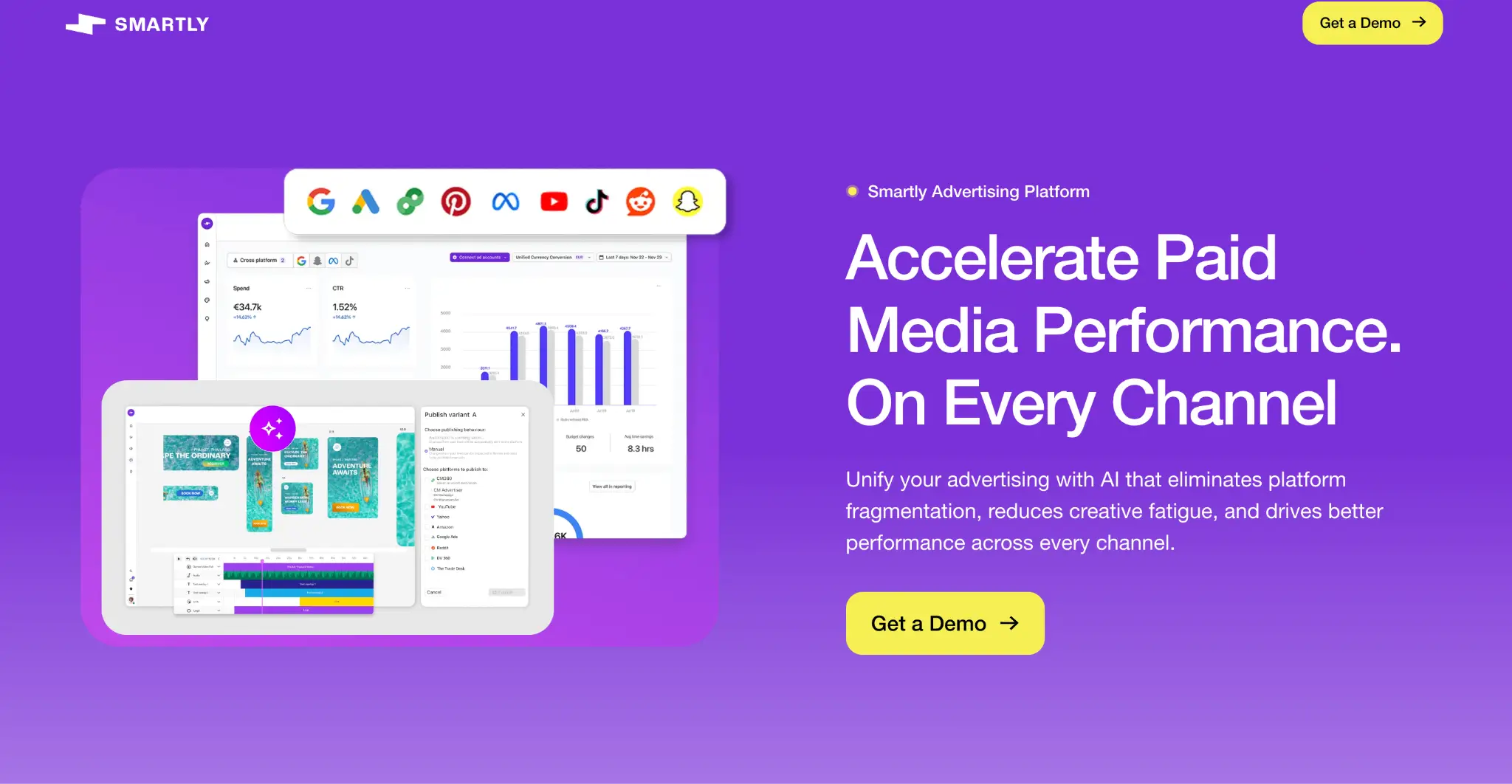
- Best for: Enterprise advertisers and agencies running high-volume, cross-channel campaigns who want creative and media buying tightly integrated.
- What it does: Runs a Creative Suite for AI-assisted design and scaling, a Media Suite for automated cross-channel launch and optimization, and an Intelligence Suite for consolidated analytics.
- Where it fits: Ad variation generation, production at scale, ad launch and publishing, and performance analytics, the widest span of any tool on this list.
- Limits: Enterprise pricing and onboarding complexity put it out of reach for most mid-market DTC teams, and there is no public pricing to compare against.
How Can DTC Brands Improve Ad Creative Production?
Choosing the right tool solves part of the problem. Implement these habits to ensure that the DTC ad creative workflow gets faster over time.
Brief for modular UGC. Modular UGC means briefing creators for individual hooks, bodies, and calls to action rather than one finished video, so a single collaboration produces multiple ad variations you can recombine later.
For example, one UGC brief can become 4 to 6 distinct ad variations instead of a single finished video.
Build a reusable asset library. Tag and organize raw footage with a tool such as Focal or Recharm, so a shoot from six months ago can still be found and reused instead of triggering a new one.
Feed performance data back into the next brief. Use what actually drove ROAS in the last round to shape which creators, hooks, and formats get briefed next.
This is the core idea behind performance-based influencer marketing.
Standardize tagging and naming. Agree on a naming convention, such as brand, creator, hook, and date, before volume makes retrofitting painful.
Automate the repetitive parts. Auto-resize a finished ad into every aspect ratio a platform requires, and auto-route a finished asset to the right approver.
How Should DTC Brands Measure Creative Workflow Performance?
Measuring a DTC ad creative workflow means tracking the process itself, not just the ads it produces, across eight metrics.
Brief-to-live time. How long from an approved concept to the ad actually running.
Approval cycle time. How long creative sits waiting for internal or client sign-off.
Percentage of produced assets actually launched. A low number could signal a briefing or quality problem upstream.
Cost per usable ad variation. Total production cost divided by variations that actually went live.
Asset reuse rate. How much creative output comes from repurposed footage versus new shoots.
Time from fatigue detection to replacement. How fast the team reacts once an asset starts declining.
Number of genuinely new concepts tested. Not just new edits of the same idea.
Percentage of performance learnings applied to the next brief. The clearest signal of whether the workflow is a feedback loop or just a production line.
Conclusion
There is no single ad creative production workflow tool for DTC brands that covers sourcing, production, organization, testing, and launch all together.
Start from the actual bottleneck: creator sourcing and whitelisting points to Insense, turning existing footage into more variations points to Sovran or Recharm, and fatigue detection points to Segwise or Motion.
Insense covers the sourcing, briefing, payments, usage rights and whitelisting stages of the workflow, backed by a network of 115,000+ vetted creators from 57+ countries.
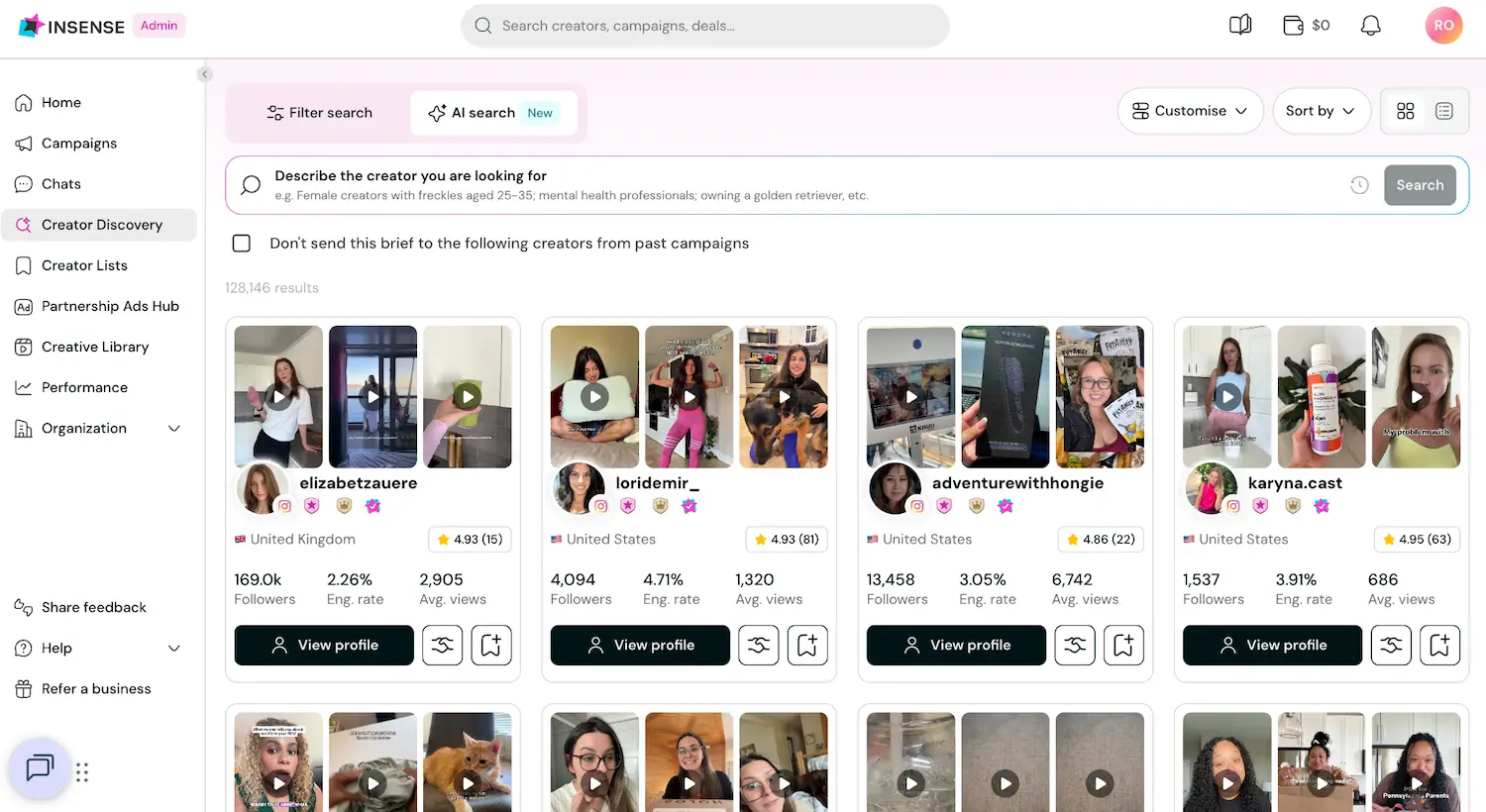
Brands typically receive their first creator applications within 48 hours and full content delivery within 14 days.
Over 5,000 DTC brands and agencies already use Insense to run UGC at scale. Book a demo or try it free today.
FAQs
Common questions from brands that work with us:
What is the best ad creative production workflow tool for DTC brands?
There is no single universal answer, since it depends on the bottleneck.
What should a DTC ad creative workflow include?
At minimum, a repeatable way to source creative, a system for organizing and tagging assets so they are reusable, a testing and performance-tracking process, and a fast path from a finished asset to a live ad. Also by feeding performance data from live ads back into the next round of briefs.
How can DTC brands scale ad creative production?
Through automated briefing and scalable creator partnerships, modular production, and matching the right creative production tool to the specific bottleneck, rather than adopting one broad platform.